

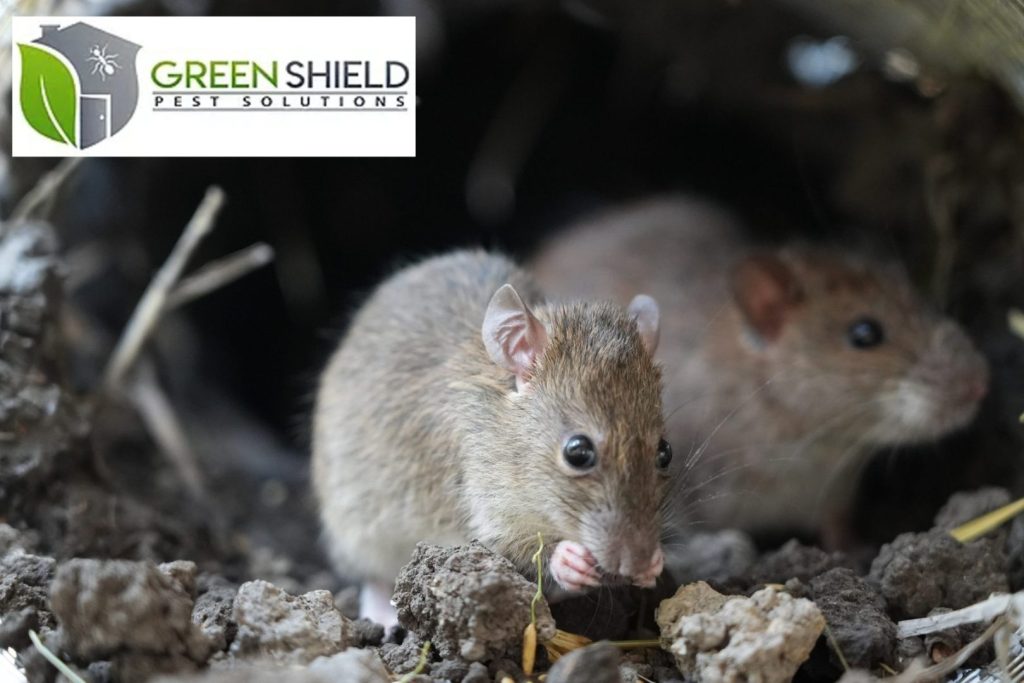
Mice are omnivores, meaning they eat both plants and animal matter. They have a highly adaptable diet and can consume nearly anything they come across. From grains and seeds to fruits and non-food items like paper and insulation, mice are opportunistic feeders, making them effective survivors in urban and rural environments.
What Mice Eat: A Breakdown of Their Diet
Mice are known for their varied diet. In your home, they’ll typically target foods that are easy to access, such as grains, cereals, fruits, vegetables, and even meat scraps. They have a sweet tooth and will also consume nuts, chocolate, and sugary treats. Interestingly, mice also chew on non-food items, including cardboard, paper, and insulation, to wear down their constantly growing teeth.
While mice can eat almost anything, their preferred food includes grains (like cereal, rice, and oats), fruits (such as bananas and apples), and seeds. In the wild, they might feed on insects, small animals, and carrion, but in homes, they often seek pet food or leftovers from meals.
How Mice’s Eating Habits Contribute to Infestations
Understanding what mice eat is just part of the story. Their eating habits make them especially difficult to control. Mice don’t need much food, just 3 grams per day, which means they can survive on small crumbs or leftovers. They eat frequently, nibbling 15-20 times a day, and often hoard food in hidden areas, such as walls or attics, to ensure they always have something to eat.
Because they’re nocturnal, you may not even notice them feeding until it’s too late. Their ability to survive on minimal food makes them challenging to starve out, and their frequent feeding encourages them to infest homes and spread into new areas. For effective Lewiston pest control, it’s crucial to address a potential infestation early to prevent long-term damage and health risks.
How Green Shield Pest Solutions Can Help with Mice Control in Lewiston, ME
At Green Shield Pest Solutions, we understand how disruptive a mouse infestation can be. Our team is committed to providing effective pest control Lewiston Maine, by addressing both immediate infestations and long-term prevention.
- Inspection and Identification
We conduct a thorough inspection of your property to identify potential entry points, food sources, and nesting sites that may be attracting mice to your home. - Exclusion Techniques
Our team seals cracks, gaps, and other potential entry points to prevent mice from entering. We also advise on food storage best practices to reduce attractants. - Trapping and Removal
We use humane, effective trapping methods to remove mice from your home and prevent future infestations. - Sanitation and Prevention
After removing the mice, we help eliminate food sources and reduce clutter, making it harder for future infestations to occur. - Ongoing Monitoring
Pest control Lewiston is an ongoing process. We offer regular monitoring to ensure your home remains mouse-free year-round.
How to Prevent Mice from Entering Your Home in Lewiston, ME
Preventing a mouse infestation begins with a few simple steps. Start by sealing any cracks and gaps around windows, doors, and foundations. Mice can squeeze through incredibly small openings, so thorough inspection and sealing are key to preventing entry. Also, store food in airtight containers and clean up crumbs or spills immediately to eliminate food sources. For effective mouse control, consider professional services to help secure your home and prevent infestations.
Conclusion: Protect Your Lewiston Home from Mice
Mice are small but persistent creatures. By understanding what mice eat and how their feeding habits contribute to infestations, you can take proactive steps to prevent them. If you’re dealing with a mouse infestation in Lewiston, ME, contact Green Shield Pest Solutions for expert pest control services. We offer comprehensive solutions to remove mice from your home and prevent their return.
Contact us today for a detailed inspection and start protecting your home from unwanted mice.
FAQ: People Also Ask
Q1: What does a mouse eat?
Mice eat a variety of foods, including grains, seeds, fruits, and vegetables, along with pet food and even sweets.
Q2: How do I get rid of mice in my home?
Start by sealing any entry points and cleaning up food sources. If you suspect an infestation, contact a pest control expert for thorough treatment and removal.
Q3: Why do mice invade homes in Lewiston?
Mice seek food and shelter, especially in fall and winter when temperatures drop. They are often attracted to homes with accessible food and shelter.
Q4: Can mice live in walls?
Yes, mice often build nests in walls, attics, or basements. If you notice gnaw marks or droppings, you may have a mouse infestation within your walls.
Q5: How long do mice live in homes?
Mice can live for about 1 year in a home. However, they reproduce quickly, so an infestation can grow rapidly if not addressed.