

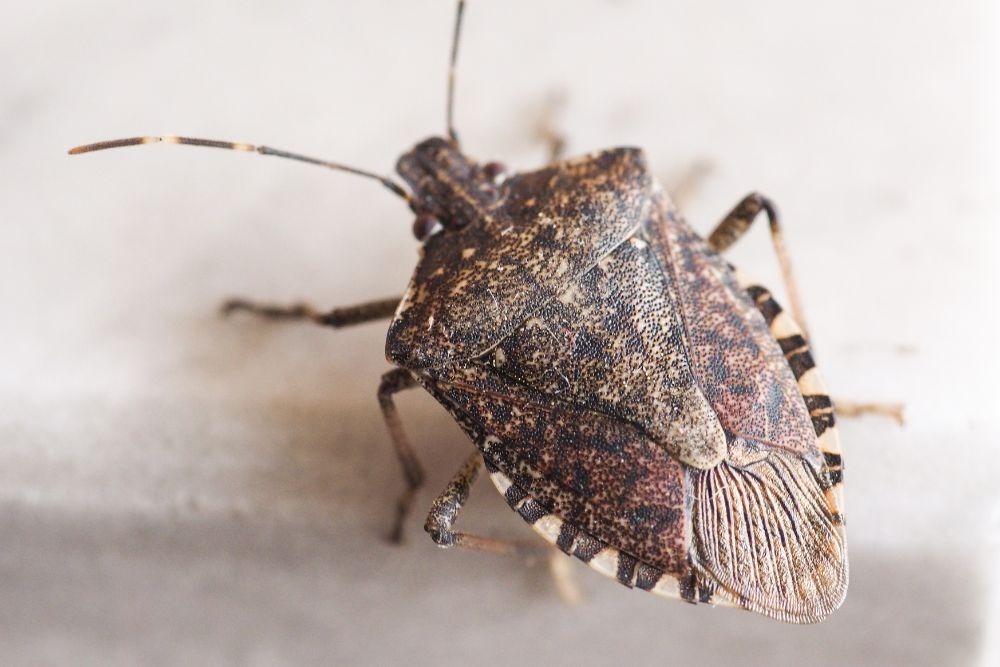
Have you spotted a brown, shield-shaped insect crawling near a window or resting on a wall? You might assume it is a stink bug, but several other insects have similar appearances. One common example is the western conifer seed bug, which can easily be mistaken for a stink bug because of its brown coloring and body shape.
Although these insects may look alike, their physical features, feeding habits, and behaviors are different. Knowing what to look for can help you identify the insect correctly and determine whether it requires attention.
This guide explains how to recognize western conifer seed bugs, compare them with common lookalikes, and keep them from entering your home.
What Bugs Look Like Stink Bugs?
Several bugs that look like stink bugs can be found around homes, gardens, and outdoor spaces. Although they may share similar brown coloring, body shapes, or defensive odors, their physical characteristics and behaviors can help distinguish one species from another.
Here are some insects that homeowners may confuse with stink bugs.
1. Boxelder Bugs
Boxelder bugs are primarily black with distinctive red or orange markings along their bodies. They are commonly found around boxelder trees, maple trees, and other seed-bearing plants.
Like stink bugs, boxelder bugs may gather around windows, doors, and exterior walls when temperatures begin to drop. They can enter homes through small gaps and openings while seeking sheltered places to overwinter.
One way to distinguish them is by their black bodies and red markings, which are noticeably different from the brown coloring of western conifer seed bugs.
2. Western Conifer Seed Bugs
Western conifer seed bugs are among the most commonly confused stink bug lookalikes. Adults have elongated, brown bodies, long antennae, and flattened hind legs that resemble small leaves.
They also have a pale zigzag marking across their wings. These features make them easier to identify when examined closely.
Unlike stink bugs, western conifer seed bugs primarily feed on the seeds and developing cones of coniferous trees, including pine and fir trees. They may enter homes during cooler months while looking for sheltered places to spend the winter.
3. Squash Bugs
Squash bugs are commonly found in vegetable gardens, especially around squash, pumpkins, and other cucurbit plants. They have flattened, brownish-gray bodies and can resemble stink bugs from a distance.
However, squash bugs are more closely associated with garden plants and can damage crops by feeding on plant tissues. Their presence is often noticed around leaves, stems, and the base of squash plants.
4. Leaf-Footed Bugs
Leaf-footed bugs have elongated bodies and distinctive widened sections on their hind legs. These flattened extensions resemble leaves, making them an important identification feature.
Some species are brown and may be mistaken for western conifer seed bugs. Both insects belong to the same broader insect group, but their markings, size, and feeding preferences can vary.
Leaf-footed bugs generally feed on plants, fruits, and seeds. They may occasionally appear around homes, particularly when outdoor conditions change.
5. Kissing Bugs
Kissing bugs are different from ordinary stink bug lookalikes. These insects belong to the triatomine group and feed on the blood of animals and humans.
They typically have elongated bodies, narrow heads, and noticeable markings along the edges of their abdomens. Unlike western conifer seed bugs, kissing bugs are medically important because some can carry the parasite responsible for Chagas disease.
Only infected kissing bugs can transmit the parasite, and transmission generally occurs when infected feces enter the body through a bite wound or mucous membranes. If you suspect an insect is a kissing bug, avoid handling it directly and seek reliable identification.
How to Identify a Western Conifer Seed Bug
If you’re trying to identify a stink bug look-alike, pay close attention to its hind legs, wing markings, body shape, and antennae. These features can help distinguish western conifer seed bugs from other similar insects.
Here are the main characteristics to check:
- Body shape: Adult western conifer seed bugs have elongated, narrow bodies rather than the broad, shield-shaped appearance commonly associated with stink bugs.
- Color: They are generally brown, with subtle variations in shade.
- Size: Adults are approximately three-quarters of an inch long.
- Hind legs: Their hind legs have flattened, leaf-like expansions that are among their most recognizable features.
- Wing markings: A pale zigzag marking crosses the wings and can help with identification.
- Antennae: They have long antennae extending from the head.
Western conifer seed bugs are generally more noticeable during fall because they begin looking for protected places to overwinter. You may find them near windows, doors, ceilings, or other areas exposed to outdoor openings.
Western Conifer Seed Bug vs. Stink Bug: What Are the Differences?
Understanding the western conifer seed bug vs stink bug differences is important because these insects may look similar at first glance but have different physical characteristics and feeding habits. Knowing how to distinguish them can help homeowners identify the insect correctly and choose an appropriate prevention approach.
| Feature | Western Conifer Seed Bug | Stink Bug |
|---|---|---|
| Body shape | Long and narrow | Broad and shield-shaped |
| Typical color | Brown | Green, brown, or other colors depending on species |
| Hind legs | Flattened, leaf-like extensions | No leaf-like expansions |
| Wing markings | Often has a pale zigzag marking | Markings vary by species |
| Primary food source | Seeds and cones of coniferous trees | Plants, fruits, and crops, depending on species |
| Indoor behavior | Enters buildings to overwinter | Some species enter buildings to overwinter |
| Human health concerns | Generally harmless | Generally harmless, though species vary |
When researching seed bug vs stink bug identification, remember that the shape of the hind legs is one of the most useful distinguishing features of western conifer seed bugs. Their elongated bodies and pale wing markings also provide helpful clues.
Another important difference is what they eat. Western conifer seed bugs primarily feed on conifer seeds and developing cones, while many stink bug species feed on a wider range of plants and crops.
Both insects can enter buildings, but their presence indoors does not necessarily mean they are reproducing or establishing an infestation inside the property.
Are Western Conifer Seed Bugs Dangerous?
Some homeowners worry about encountering dangerous bugs that look like stink bugs, especially when they cannot identify the insect. Fortunately, western conifer seed bugs are generally harmless to humans.
They do not normally bite or sting people and are not known to transmit human diseases. Their primary concern is that they can become a nuisance when they gather indoors, particularly during colder months.
When disturbed or crushed, western conifer seed bugs may release an unpleasant odor. This defensive smell can be mistaken for the odor produced by stink bugs.
Although they may look intimidating, these insects do not typically cause structural damage to homes. They also do not reproduce indoors, so finding one inside does not automatically indicate an established indoor breeding population.
Why Do Western Conifer Seed Bugs Enter Homes?
Western conifer seed bugs primarily live outdoors, where they feed on the seeds and cones of coniferous trees. However, as temperatures begin to drop, they may move toward buildings in search of sheltered places to spend the winter.
Homes provide protection from harsh outdoor conditions, making them attractive hiding places.
Common entry points include:
- Gaps around windows and door frames
- Openings around exterior doors
- Cracks in siding and exterior walls
- Gaps around utility lines and pipes
- Damaged window screens
- Openings near rooflines, vents, and soffits
Once inside, they may gather around windows, ceilings, attics, and other areas where they can remain relatively undisturbed.
You might notice them more frequently on sunny days when indoor temperatures rise. The warmth can encourage overwintering insects to become active and move around inside the property.
How to Get Rid of Western Conifer Seed Bugs
Finding a western conifer seed bug inside your home does not always require extensive treatment. However, if you continue seeing them, it is worth checking for possible entry points and addressing conditions that allow them to get indoors.
Consider these practical steps:
1. Remove Individual Bugs Carefully
If you find one or two western conifer seed bugs, you can remove them using a vacuum cleaner or gently guide them into a container before releasing them outdoors.
Avoid crushing them because they may release an unpleasant odor. If you use a vacuum, empty the container or dispose of the vacuum contents promptly.
2. Seal Gaps and Cracks
Inspect your home’s exterior for openings around windows, doors, siding, and utility lines. Use appropriate weatherstripping, caulk, or other sealing materials to close small gaps.
Pay particular attention to areas where different building materials meet, as these locations can develop openings over time.
3. Repair Window Screens
Damaged window screens can provide easy access for insects. Check screens for holes, loose edges, and gaps around their frames.
Repair or replace damaged screens to reduce the likelihood of insects entering through open windows.
4. Check Doors and Exterior Openings
Make sure exterior doors close properly and have intact weatherstripping. Install or replace door sweeps where gaps exist underneath doors.
Also inspect vents and other openings to ensure they have suitable screens or protective covers without interfering with proper ventilation.
5. Reduce Indoor Pest Entry Opportunities
Keep doors and windows closed when they are not in use, particularly during fall when overwintering insects become more active.
You can also reduce unnecessary outdoor lighting near entryways when practical, since some insects are attracted to lights at night.
When Should You Contact a Pest Control Professional?
Occasionally finding a western conifer seed bug indoors may not be a serious concern. However, repeated sightings or large numbers of insects around windows, doors, and other indoor areas may indicate that your property has openings that need attention.
A York pest control professional can help identify the insects, inspect potential entry points, and recommend appropriate prevention measures.
For homeowners looking for pest control in York, working with a local provider can help address recurring pest activity and identify conditions that make a property more vulnerable to unwanted insects. Green Shield Pest Solutions provides pest management services to help homeowners protect their properties and manage concerns.
Learn more about pest control in York, ME, and the available options for addressing pest activity around your home.
Frequently Asked Questions
1. How Can You Tell a Western Conifer Seed Bug From a Stink Bug?
Western conifer seed bugs have elongated brown bodies, long antennae, flattened leaf-like hind legs, and a pale zigzag marking across their wings. Stink bugs generally have broader, shield-shaped bodies and do not have the same leaf-like hind leg extensions.
2. Are Western Conifer Seed Bugs Harmful to Humans?
No. Western conifer seed bugs are generally harmless to humans. They do not normally bite or sting and are not known to transmit human diseases. However, they can release an unpleasant odor when disturbed or crushed.
3. Why Do Western Conifer Seed Bugs Keep Coming Into My House?
They enter homes primarily to find sheltered places where they can overwinter. Small gaps around windows, doors, siding, vents, and utility lines can provide access to indoor spaces.
4. Do Western Conifer Seed Bugs Reproduce Inside Homes?
No. Western conifer seed bugs do not reproduce indoors. They typically enter buildings to find shelter during colder months rather than to establish an indoor breeding population.
5. What Should I Do If I Find a Western Conifer Seed Bug Inside?
You can carefully remove the insect using a vacuum cleaner or container. Avoid crushing it because it may release an unpleasant odor. If you continue finding them, inspect your home’s exterior for gaps and possible entry points.
6. How Can I Prevent Western Conifer Seed Bugs From Entering My Home?
Seal cracks around windows, doors, siding, and utility openings. Repair damaged screens, install door sweeps, and check exterior vents for gaps. These preventive measures can help reduce opportunities for insects to enter your home.
Keep Western Conifer Seed Bugs Out of Your Home
Western conifer seed bugs are often mistaken for stink bugs because of their brown coloring and similar appearance. However, their elongated bodies, leaf-like hind legs, and distinctive wing markings make them easier to recognize.
Although these insects are generally harmless, repeated sightings can become frustrating. Green Shield Pest Solutions can help homeowners identify recurring pest activity and explore appropriate prevention options. Sealing entry points, repairing screens, and checking exterior openings can also reduce the chances of western conifer seed bugs getting inside.
If you are experiencing recurring pest activity, we can help you explore appropriate pest management options. Contact the team to learn more about protecting your home from unwanted pests.
LEARN MORE HERE:
The Most Common Signs of Bed Bugs