

If you are wondering what insects sting in Southern Maine, the most common ones include bees, yellow jackets, hornets, and paper wasps. These insects typically sting when they feel threatened or when someone gets too close to their nest. While many stinging insects are helpful pollinators, nests near homes can lead to painful stings and potential health risks. If you notice stinging insects around your property, professional pest control in southern Maine can help identify the species and safely manage the problem.
Stinging insects are among the most common sources of irritation for homeowners throughout New England. Many insects that sting play an important role in our ecosystem, but species such as wasps, hornets, and yellow jackets can become aggressive when defending their colonies. This is especially concerning for people with allergies, as a single sting may lead to symptoms like swelling, breathing difficulties, or changes in blood pressure.
Common Insects That Sting in Southern Maine
Several stinging insects are commonly found throughout Southern Maine. Some of the species homeowners encounter most often include:
• Honey bees
• Bumblebees
• Yellow jackets
• Paper wasps
• Hornets
Each of these insects can deliver a painful sting if disturbed. Bees are generally calmer, while yellow jackets and hornets are more defensive when their nests are nearby.
Homeowners sometimes notice a small bee like insect that stings around gardens or fruit trees. These are often solitary pollinators that are nonaggressive and rarely sting unless threatened. If these insects begin nesting close to entryways or high traffic areas, professional pest control in Southern Maine can help identify the species and determine whether any treatment is necessary while protecting beneficial pollinators.
Bees in Maine
Bees are some of the most beneficial insects found in Maine because they help pollinate flowers, plants, and crops. Honey bees and bumblebees are commonly seen moving from flower to flower in gardens and yards.
Although bees are technically an insect with a sting, they usually sting only when their hive is threatened. Their colonies are highly organized and typically contain hundreds of bees living together in a hive.
Bees often build their nests in protected areas such as:
• Tree hollows
• Brick or stone cavities
• Wall voids
• Spaces behind siding
You may also notice orchard bees around fruit trees or flowering plants. They are excellent pollinators and are usually gentle insects that rarely sting people.
Because bees play such an important ecological role, many pest professionals prefer relocation when possible rather than elimination.
Wasps, Hornets, and Yellow Jackets
Wasps, hornets, and yellow jackets are some of the more aggressive stinging insects homeowners may encounter.
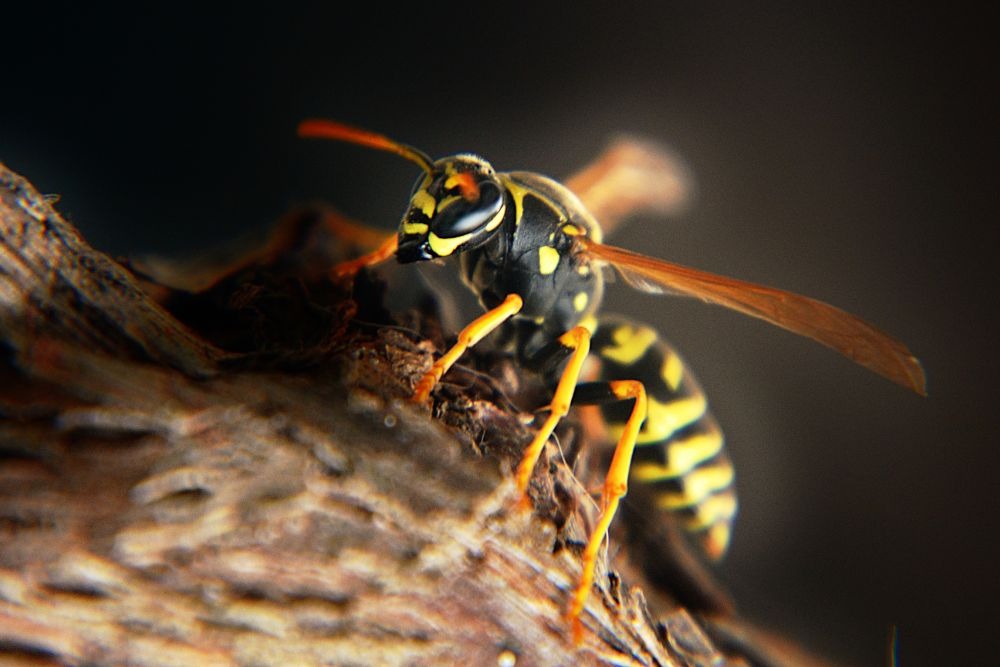
Paper wasps are usually brown with yellow markings and grow to about half an inch to three-quarters of an inch long. They create nests using a papery material made from chewed wood and saliva.
Yellow jackets and hornets share a similar appearance but differ in where they build their nests.
Yellow jackets often nest underground in:
• Abandoned rodent burrows
• Dense vegetation
• Hidden outdoor spaces
Hornets usually build their nests above ground in:
• Trees and bushes
• Porch ceilings
• Roof eaves
• Sheds or outdoor structures
These nests often appear as gray papery spheres hanging from branches or structures.
Green Stinging Insects You May See
Some homeowners report seeing a green stinging insect or what appears to be a green stinging bug around gardens or wooded areas.
These insects are often metallic green sweat bees or similar pollinators. Although they are technically an insect with a sting, they are generally not aggressive and only sting if handled or disturbed.
Because they assist with pollination, these insects are usually not considered harmful unless they begin nesting near doorways or frequently used outdoor areas.
Where Stinging Insects Build Nests
Stinging insects typically build nests near food sources and sheltered locations. Some common nesting areas include:
• Underground burrows in lawns
• Tree branches or shrubs
• Porch ceilings and roof eaves
• Attics or wall voids
• Sheds or outdoor structures
If you notice a large number of insects flying repeatedly to one location, there may be a nest nearby.
Signs You Have a Stinging Insect Nest
Common signs that a nest may be present include:
• Increased insect activity around your yard
• Visible papery nests hanging from trees or buildings
• Insects entering holes in the ground
• Buzzing sounds coming from walls or ceilings
If you notice these warning signs, avoiding the nest and contacting a professional is the safest option.
What To Do If You Get Stung
Most insect stings cause mild pain and swelling. If you get stung:
- Remove the stinger if one is present
- Wash the area with soap and water
- Apply ice to help reduce swelling
If someone experiences severe swelling, difficulty breathing, or signs of an allergic reaction, medical attention should be sought immediately.
How to Prevent Stinging Insects Around Your Home
You can reduce the chances of attracting stinging insects by taking several preventative steps.
• Seal cracks and gaps around your home
• Keep garbage containers tightly closed
• Remove fallen fruit from trees
• Inspect trees and rooflines for nests
• Avoid leaving sugary drinks or food outside
Routine inspections and early treatment can help reduce the risk of nests forming near your home. Many homeowners schedule regular pest control in Maine to manage seasonal insect activity and keep outdoor spaces safer.
When to Call an Exterminator in Southern Maine
If you discover a nest on your property, it is safest not to attempt removal on your own. Disturbing a nest can make stinging insects aggressive and may lead to multiple stings.
A trained exterminator in Southern Maine can inspect your property, identify the insect species, and safely remove nests. Professional treatments also help prevent future colonies from forming near your home.
Green Shield Pest Solutions is a trusted company throughout the surrounding region. Our technicians inspect properties carefully, locate nests, and provide treatments that help protect your home and yard.
If you notice a growing nest or increased stinging insect activity, contact our team today to schedule an inspection.
Frequently Asked Questions
What are the most common stinging insects in Southern Maine?
Common stinging insects include honey bees, bumblebees, yellow jackets, paper wasps, and hornets.
Why are stinging insects attracted to my yard?
They are attracted to food sources such as flowers, sugary drinks, garbage, and fallen fruit.
Are all stinging insects aggressive?
No. Many bees and solitary pollinators are nonaggressive and only sting if they feel threatened.
Where do stinging insects usually build nests?
They may build nests underground, in trees, under roof eaves, inside wall voids, or in shrubs.
When should I call pest control in Southern Maine?
If you notice large nests, increased insect activity, or stings near your home, it is best to contact professional pest control in Southern Maine.