
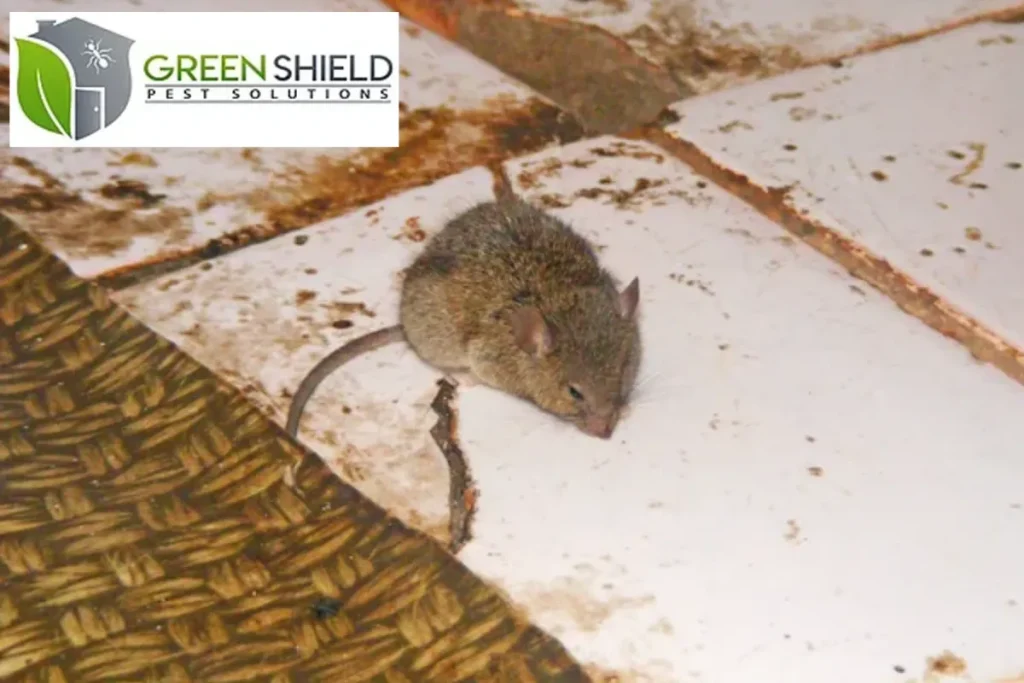
You know a pest control treatment is working after the first visit if you observe a sudden, temporary increase in activity, followed by the appearance of dead or sluggish insects within 7 to 10 days. This initial surge confirms that hidden pests are being successfully disrupted and drawn out from their nesting zones. By the second week, this activity should drop off drastically, signaling that the treatment is actively dismantling the population.
The Initial Post-Treatment Timeline: What to Expect
When a professional management team leaves your property, the clock starts on a predictable biological process. Understanding exactly what happens over the first fortnight after pest control in Freeport will give you peace of mind and help you track your progress.
1. Days 1 to 3: The Activity Surge
The most surprising part of a successful treatment is often seeing more bugs than before. This occurs because advanced products act as a flushing agent. Pests hiding deep inside walls, floorboards, or behind appliances become irritated and disoriented, forcing them out into the open. If you are dealing with social insects like ants or roaches, they will also flock to new bait placements, creating a temporary hive of visible activity.
2. Days 4 to 7: The Slowdown
During this window, the pests’ behavior changes. Instead of fast, alert insects running away when you flip on a light switch, you will see slow-moving, confused bugs. They might wander aimlessly in the middle of a room during daylight hours. This sluggishness is proof that the active ingredients have entered their systems and are working effectively. This is also when you will begin finding dead insects along baseboards and near entry points.
3. Days 8 to 14: The Drop-Off
By the second week, the visible trails and frequent sightings should decrease significantly. The initial generation of pests has succumbed to the treatment, and because the product remains active on the surface, newly hatched pests are quickly eliminated before they can reproduce.
Signs of Success vs. Signs of Failure
It is vital to monitor the pests’ exact state and behavior following your initial service. Use this simple comparison table to evaluate the status of your property.
| Evaluation Metric | Signs the Treatment Is Working | Signs the Treatment Is Failing |
| Pest Physical State | Insects are dead, dying, or moving very sluggishly in plain sight. | Pests are fast-moving, alert, and in good health. |
| Population Location | Pests emerge from the walls but die near the application points. | Pests avoid treated zones and spread to new rooms. |
| Bait Station Status | Placed bait shows clear signs of feeding or high insect traffic. | Pests completely ignore the bait to eat kitchen crumbs. |
| Activity Trends | A sharp initial spike followed by a steady, dramatic decline after week one. | Consistent, unchanging pest sightings that last past 14 days. |
During a recent property evaluation for a homeowner facing a severe ant problem, our team noted that while the owner was worried about seeing more ants on day three, the insects were disoriented and concentrated solely around our bait lines. This confirmed the application was tracking perfectly toward total eradication through a professional pest exterminator in Freeport, ME.
Debunking the Myth: “An Effective Treatment Means Immediate Zero Pest Sightings”
The single biggest misconception in home pest management is that a successful application acts as an instant shield, causing every single bug to vanish the moment the technician drives away.
The Reality: A total absence of pests on day one usually means the provider used a cheap, harsh repellent that merely scared them deeper into your wall voids.
True, long-term eradication requires a slow-acting approach. If a product kills an insect instantly on contact, social pests never have the chance to return to the nest and share the dose with the rest of the colony. When a treatment works too fast, it leaves the reproductive engine of the infestation completely untouched. Seeing live, sluggish bugs feeding or walking through a professional application over the first few days means the system is working exactly as intended. The pests must remain alive just long enough to serve as couriers of their own destruction.
Applying Our Integrated Pest Management Protocols to Solve This
We track the success of every initial visit by measuring it against our strict, multi-tiered system. Our methodology relies on advanced Integrated Pest Management (IPM) techniques to convert that short-term surge into permanent protection.
Prevention and Management
We look beyond the immediate bugs you see. Our highly trained technicians perform a comprehensive analysis of your property’s perimeter to identify structural gaps, unsealed utility lines, and structural defects. Our focus on prevention and management means we cut off future pest highways so that our active treatments can do their job without facing a continuous wave of new invaders from the outside.
Sanitation and Habitat Modifications
Pests cannot thrive without food, water, and shelter. We work closely with property owners to implement strategic sanitation protocols and habitat modifications. By clearing away standing water, adjusting exterior mulch levels, and securing refuse storage, we strip away the pests’ natural survival resources. This environmental pressure forces them to seek out our targeted treatment zones out of sheer necessity.
Non-Insecticidal Controls
Before we ever consider a liquid barrier, we deploy smart non-insecticidal controls. These include mechanical traps, sticky monitoring arrays, and physical exclusion materials like copper mesh and weather stripping. These physical tools allow us to capture, track, and control pests naturally, providing measurable data on population decline without relying solely on chemical inputs.
Green and Safe Pesticides
When a product application is necessary, we use premium green and safe pesticides. These family- and pet-friendly formulas are completely undetectable to pests. Because the insects cannot smell or taste these barriers, they walk through them calmly. They collect the active ingredients from their bodies and transfer them to nestmates through natural grooming, systematically dismantling the hidden core of the infestation.
Key Performance Indicators & Specifications
Flushing Agent
A specialized component in professional treatments that gently irritates pests inside their hidden habitats, driving them out into open spaces where they will cross the primary protective barriers.
Horizontal Transfer
The natural process where a pest walks through an undetectable treatment, carries it back to a hidden nest, and passes it along to healthy nestmates through physical contact or shared feeding.
Residual Efficacy
The length of time an applied protective barrier remains active, stable, and lethal to target pests after the initial drying phase has completed.
Bait Acceptance
A critical early-stage metric confirming that the target pest species prefers the professional bait matrix over other available food sources in the home.
People Also Ask
Is it normal to see a lot of spiders or roaches after the first visit?
Yes, it is entirely normal to see an increase in activity. Professional applications disturb their preferred resting areas, disrupting their normal patterns and forcing them out into open rooms as they attempt to find a safe space.
Should I spray the live bugs I see after the professional treatment?
No, you should never use over-the-counter sprays after a professional treatment. Doing so can counteract the professional products, repel pests away from the bait stations, and prevent them from carrying the slow-acting treatments back to the main nest.
How long does it take for the first treatment to fully work?
Most homeowners notice a massive reduction in pest populations within 7 to 10 days. However, depending on the severity of the initial infestation and the specific species, it can take up to 2 full weeks to achieve complete eradication.
Can I mop my floors right after the technician leaves?
You can clean central walkways, but avoid mopping, heavy vacuuming, or wiping down the areas directly adjacent to treated baseboards, corners, and bait placements. Washing these spots will accidentally remove the invisible protective barrier left behind by the technician.
Secure Your Peace of Mind with Lasting Solutions
A sudden spike in dead or disoriented pests means your initial service was a complete success. Dealing with a recurring issue can cause immense stress, especially when you are worried about chemical safety for your kids and pets, or frustrated by ineffective DIY fixes. Choosing the right team can give you your home back.
We are Green Shield Pest Solutions, a professional, approachable, and customer-first company. We aim to be seen as a reliable partner in protecting homes and businesses, combining trusted expertise with friendly, responsive service. If you are tired of short-term fixes and need a reliable solution, we are ready to assist.
We believe in integrity, transparency, and customer satisfaction above all else. Our approach is built on safe, eco-conscious treatments, continuous education, and tailoring solutions to each client’s needs. Whether you require home protection or commercial pest control in Freeport, ME, our strategies ensure long-term results and a trusted relationship with every customer.
We want our audience to feel confident, protected, and at ease. Choosing us should give you true peace of mind, knowing your concerns are being handled by professionals who care. If you want to learn more about how a licensed technician can secure your property from recurring seasonal pests, explore our dedicated service options to see how we build lasting barriers.
We encourage readers to contact us today to request a free quote for services. We also invite you to reach out for preventive service plans that keep your home or business pest-free year-round. Let us help you protect what matters most!