
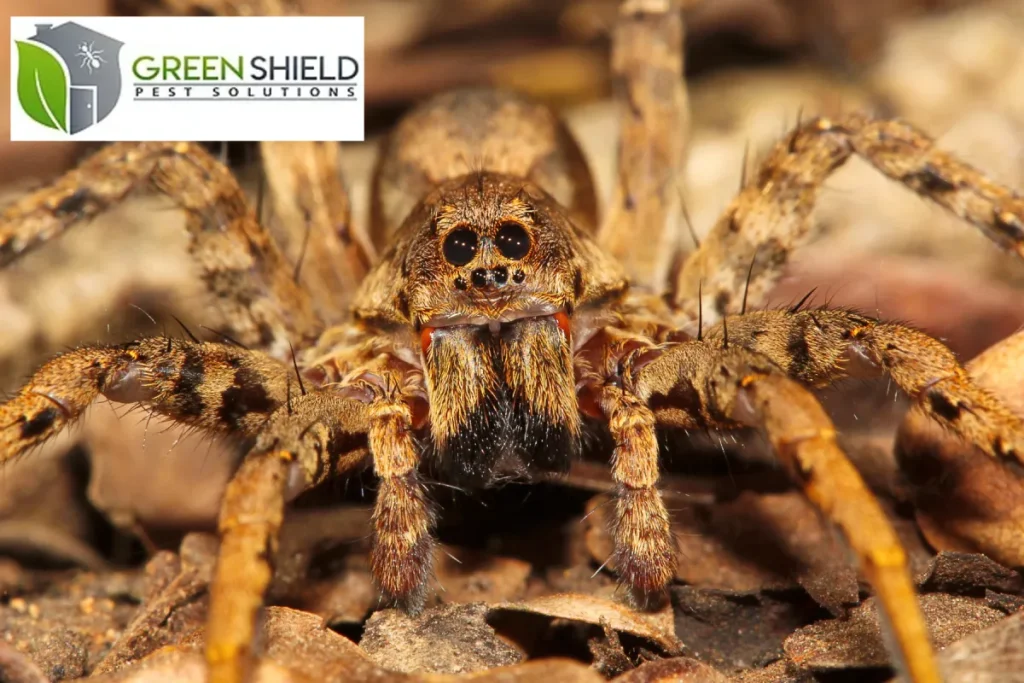
To remove structural spider webs safely and prevent rebuilding, clear the silk using a telescoping web duster or a vacuum hose attachment, then wash the surface with a vinegar-and-water solution. Stop spiders from permanently rebuilding by sealing structural gaps with exterior silicone caulk and switching porch lights to yellow LED bulbs. This physical strategy keeps your entryways clean without using unnecessary chemicals.
Step-by-Step Mechanical Removal Methods
Clearing cobwebs away from your home might seem like a simple weekend chore, but doing it without a clear strategy usually leads to a fresh set of webs just a few days later. When you knock down a web without addressing the spider or its hidden eggs, you are only hitting the reset button rather than fixing the root cause. A careful, orderly removal process ensures that you completely clear out the current problem while making your property much harder for pests to claim.
While most spiders outside are completely harmless to humans and actually help control smaller backyard bugs, their sticky silk matrices quickly ruin your home’s clean look. Old, abandoned webs act like nets for dirt, pollen, and airborne debris, creating dark, ugly stains along your clean siding and trim. Follow this straightforward, four-step sequence to clean your exterior structural surfaces thoroughly and safely.
1. Safety Gear and Initial Inspection
Before you start reaching into dark corners or under low roof eaves, put on a pair of clear safety glasses and heavy work gloves. Grab a bright flashlight and closely check the corners of your entryways, window frames, and porch ceilings. You want to spot active pests or small, round silk egg sacs ahead of time so you do not accidentally brush them onto your clothes or into your hair.
2. Dry Physical Web Removal
Avoid the temptation to blast the webs with a garden hose right away, as wet spider silk turns into a messy, glue-like paste that stains paint and vinyl siding. Instead, use a dry, telescoping cobweb duster with a rounded bristle head, or a heavy-duty shop vacuum equipped with a long hose extension. Swipe or vacuum in a steady upward motion, twisting the tool gently to wrap the entire web matrix around the bristles without smearing the silk against the wall.
3. Careful Egg Sac Disposal
Keep a close lookout for tiny, ball-shaped cream or tan silk pods tucked deep into the corners of the frames. These are egg sacs, and each one can hold hundreds of future pests. Carefully scrape these sacs off the surface using a putty knife or your vacuum attachment, drop them directly into a small plastic trash bag, seal it tightly with a knot, and throw it straight into your outdoor garbage bin.
4. Direct Surface Washing
Once the dry silk and debris are completely gone, wipe down the entire structural area with a clean cloth or a soft scrub brush dipped in a mixture of equal parts white vinegar and warm water. Vinegar is naturally acidic, which helps safely dissolve any leftover microscopic silk anchor lines. More importantly, this wash neutralizes the invisible chemical smell markers left behind by the pest, which effectively erases the trail that tells other arachnids the spot is a safe, proven place to build a home.
Comparing Structural Web Triggers and Mitigation Strategies
Arachnids do not pick their nesting spots at random. They choose specific areas of your home based on architectural layout, protection from heavy wind or rain, and proximity to consistent food sources. By understanding what makes a specific corner attractive to these pests, you can make targeted changes to stop them from returning.
| Structural Area | Primary Attractant Trigger | Mechanical Fix | Behavioral Preventative |
| Exterior Eaves & Soffits | Shielded from rain; traps rising warm air currents that insects follow. | Install tight-fitting soffit vents and repair gaps along the roofline. | Keep your gutters clear of wet leaves to eliminate breeding flies. |
| Porch Light Fixtures | High insect traffic is drawn in at night by standard bright light bulbs. | Install flush-mounted, fully sealed light housings with no open top gaps. | Switch out your standard white bulbs for amber or yellow LED options. |
| Foundation Crawl Vents | High moisture levels and easy access to dark, undisturbed underground voids. | Replace damaged, old, or wide-mesh foundation vent screens. | Keep landscaping mulch and thick plants at least two feet away from the wall. |
| Window Frame Corners | Tiny micro-drafts that leak indoor warmth and inviting cooking odors. | Apply a fresh bead of 100% silicone caulk to all outer perimeter gaps. | Keep your indoor window blinds closed at night to stop light from bleeding out. |
Every home has unique structural features that can accidentally invite pests. During a recent home inspection for a homeowner in Freeport, we discovered that a set of unsealed floodlights on a back deck was drawing in thousands of flying moths every summer evening, creating a non-stop buffet that attracted dozens of large web-builders to the surrounding glass doors. This is a common environmental challenge that requires dedicated pest control in Freeport, ME.
Material Specifications for Long-Term Spider Prevention
If you want to keep your entryways free of webs permanently, you have to upgrade your home’s physical defense barriers. Standard wooden trims and aging screens leave open paths that pests can easily exploit. Investing in heavy-duty, entry-blocking materials at your local hardware store ensures your exclusion work lasts for years.
Silicone-Polyurethane Caulk
Specification: Class 25 or higher elastomeric hybrid exterior sealant.
: Feature: This specialized sealant stays incredibly flexible over time, allowing it to expand and contract naturally as your home shifts with the seasons. It fills the tiny 1/16-inch cracks around window frames where small pests love to hide during the cold winter months.
Stainless Steel 304 Mesh
Specification: 1/32-inch woven wire diameter wire screen fabric.
Feature: This commercial-grade steel mesh is completely rust-proof and strong enough to block crawlspace vents, weep holes, and plumbing gaps. Pests cannot chew through it, and it keeps out everything from crawling insects to mice.
Yellow LED Lighting
Specification: 2000K to 2200K color temperature bulbs that emit a light spectrum above 550 nanometers.
Feature: This specific warm tone is almost entirely invisible to night-flying bugs. By removing the bright light that attracts moths and flies, you remove the food source that pests rely on to survive.
Micro-Crystalline Wax Coatings
Specification: High-melting-point synthetic protective surface wax.
Feature: When rubbed onto smooth vinyl decorative trim or painted metal light fixtures, this wax creates an incredibly slick surface. The slick texture makes it mechanically impossible for spinning pests to glue their silk anchor lines to your home.
Many homeowners looking into professional pest control in Freeport find that taking the time to update these small hardware details cuts down on outdoor cleaning work by more than half, keeping porches looking beautiful with very little effort.
Applying Our Eco-Shield Strategy to Solve This
When you deal with persistent web-building around your property, relying on temporary chemical sprays can leave you disappointed. A truly clean home requires a smarter approach that looks at your whole property as a connected ecosystem.
Finding an experienced exterminator in Freeport, ME means getting a professional who values the safety of your household just as much as effective results. Our comprehensive home care program relies on modern Integrated Pest Management (IPM) techniques, sanitation, habitat modifications to deter ant entry, and the use of non-insecticidal controls like baits, green and safe pesticides, and eco-friendly treatments. For instance, while clearing away arachnid anchoring points from your eaves, we simultaneously look at the ground level to fix structural issues that draw in crawling prey. By managing the damp mulch and foundational gaps that invite pests inside, we naturally starve out the web-builders living above.
We use targeted, non-insecticidal controls and localized applications only where pests are actively nesting. This keeps your children and family pets completely safe from harsh chemical residues while building a long-term barrier that keeps your home’s exterior looking pristine through every season of the year.
Debunking the Myth: Spiders Only Build Webs in Unclean Houses
The Common Industry Myth: If your porch, windows, and roof eaves are covered in a high volume of spider webs, it means your home is dirty, dusty, or poorly maintained on the inside.
This is an unfair misconception that causes a lot of unnecessary worry for homeowners. The reality is that arachnids do not care at all about human dirt, dust, or how often you vacuum your living room rugs. They are predatory hunters driven entirely by the physics of your home’s architecture and the availability of their insect prey.
An immaculate, brand-new home can experience a massive web problem within weeks of being built if it features bright exterior lights, sits near a wooded area, or has large glass windows that face the wind. Web-builders look for structural angles that create natural wind tunnels. These tunnels catch flying insects like a funnel, delivering a steady supply of food straight into the web.
Blaming a web problem on simple cleanliness causes people to spend hours scrubbing surfaces with soap, while ignoring the real culprits: escaping indoor light, open soffit cracks, and damp landscaping beds. Fixing these environmental factors is the only real way to solve the issue.
People Also Ask
Do spider webs cause long-term structural damage to my siding?
No, spider silk itself is entirely non-corrosive and will not cause rot, rust, or structural decay on vinyl, brick, or painted wood siding. However, if old webs are left out in the elements for months, they act like a sticky magnet for dark environmental dust, soot, and mold spores. Over time, this trapped debris can leave dark, tough-to-clean stains on light-colored paint or vinyl surfaces.
How fast can a spider rebuild its web after I knock it down?
An active, healthy web-builder can recreate a full-sized orb web in less than an hour if conditions are right. Because they can rebuild so quickly, simply knocking down a web with a broom without clearing the spider, washing away its scent markers, or changing your outdoor light bulbs will rarely give you long-lasting relief.
Is it safe to blast outdoor cobwebs away with a high-pressure washer?
While a pressure washer will blast webs away instantly, it is generally not recommended for home siding. The high pressure can easily force water upward behind your vinyl siding panels, soaking the wooden structural sheathing underneath and leading to hidden mold or rot. A high-pressure stream can also destroy delicate window screens and blow out the rubber seals around your glass panes, which creates wide-open gaps for worse pests to use later. In a coastal town like Freeport, using a dry telescoping brush or a specialized outdoor vacuum is a much safer option for your property.
Break the Cycle of Rebuilding
Constantly sweeping down sticky cobwebs with an old broom is an exhausting, short-term fix for an issue that is deeply rooted in your home’s environment. By understanding what draws these pests to your doors and windows, choosing high-quality exclusion materials, and managing the insects they feed on, you can keep your property’s exterior looking clean and welcoming.
At Green Shield Pest Solutions, we know how frustrating it is to deal with returning infestations and ineffective DIY options. It is exhausting to spend your weekends cleaning your entryways only to see them covered in webs again a few days later, especially when you want a clean, safe space where your kids and pets can play peacefully. Our business decisions are guided by absolute integrity, transparency, and a deep commitment to safe, eco-conscious treatments tailored to your exact needs in Freeport.
Our knowledgeable, friendly team focuses on building a trusted, long-term relationship with you. We use customized protection plans, safe, family-friendly products, and a dependable satisfaction guarantee to ensure you can always feel at ease in your home.
Take back your home’s curb appeal today. Contact us today to learn more about our seasonal maintenance plans, or schedule a free inspection with our local experts!