
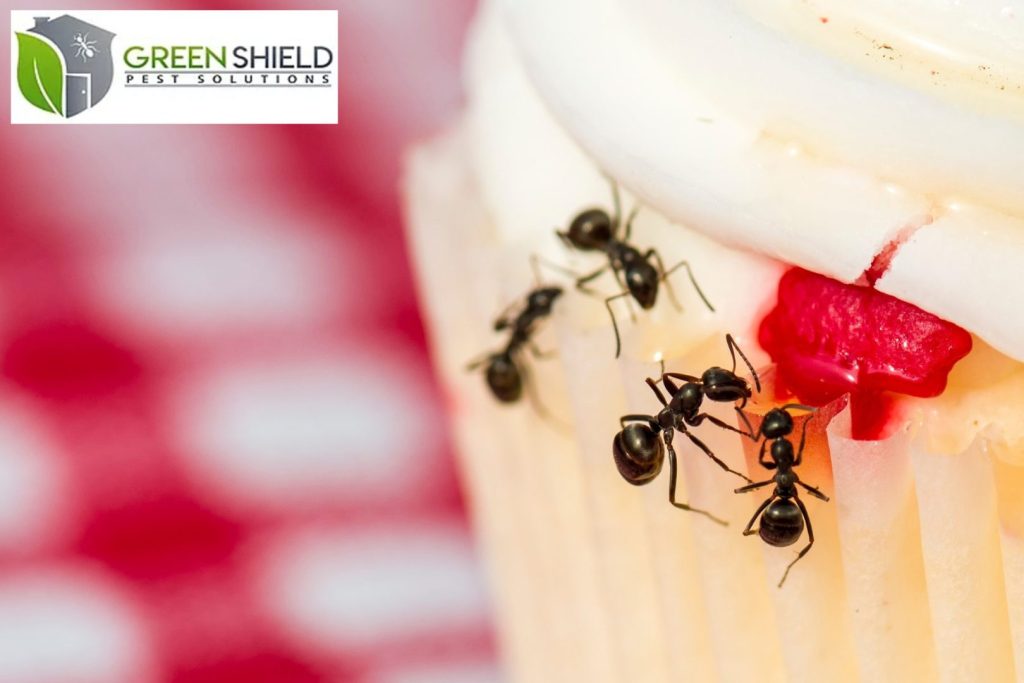
When it comes to maintaining a safe, healthy, and comfortable home, keeping pests out is a must. Whether it’s ants in the kitchen, spiders in the basement, or rodents in the attic, unwanted invaders can find their way into almost any space in your home. The good news? With a little know-how and consistency, pest-proofing your home can be simple and effective.
This room-by-room guide will help you identify common pest hotspots and provide practical steps you can take to protect your home from top to bottom.
Kitchen: The Prime Target
Your kitchen is a favorite hangout spot for pests and for good reason. It’s full of food, water, and hiding places. Ants, cockroaches, flies, and even rodents can quickly turn your kitchen into a buffet if you’re not careful.
How to Pest-Proof:
- Store all food in sealed containers, especially grains, cereals, and pet food.
- Wipe down counters and sweep floors daily to remove crumbs and spills.
- Fix any dripping faucets or leaking pipes under the sink.
- Empty the trash regularly and use bins with tightly sealed lids.
- Clean behind appliances such as stoves and refrigerators, where crumbs accumulate.
Bathroom: Moisture Problems Invite Trouble
Bathrooms are another hotspot for pests due to high humidity and moisture. Cockroaches, silverfish, and drain flies are commonly found in bathrooms, especially in poorly ventilated bathrooms.
How to Pest-Proof:
- Ventilate the space by using an exhaust fan to reduce humidity.
- Fix leaks around sinks, tubs, and toilets.
- Seal gaps around plumbing that allow pests to travel between walls.
- Clean drains regularly with appropriate drain treatments to remove buildup.
Living Room: Comfortable for You and Pests
While you may not associate your living room with pests, it can still offer plenty of hiding spots. Furniture, wall voids, and decorative elements can attract pests like spiders, ants, and even rodents.
How to Pest-Proof:
- Vacuum regularly, especially under furniture and along baseboards.
- Inspect houseplants for gnats or aphids.
- Seal cracks and crevices around windows, baseboards, and wall outlets.
- Use weatherstripping on doors and windows to block entry points.
Bedroom: Unwelcome Nighttime Visitors
Your bedroom should be a restful retreat, not a place for pests. Bed bugs, fleas, and moths can find their way into your personal space if proper precautions aren’t taken.
How to Pest-Proof:
- Wash and change bedding regularly.
- Inspect mattresses and headboards for signs of bed bugs.
- Keep clutter to a minimum, especially under the bed or in closets.
- Store seasonal clothing in sealed containers.
Basement and Attic: Hidden Havens
Dark, cluttered, and less-frequented areas like basements and attics provide ideal environments for spiders, rodents, and even termites.
How to Pest-Proof:
- Declutter and organize items in plastic bins rather than cardboard boxes.
- Use dehumidifiers to keep moisture levels low.
- Seal any cracks in the foundation or around windows.
- Inspect wood framing for signs of termites or rodent chewing.
Laundry Room: Warm and Moist
Laundry rooms combine warmth, moisture, and quiet an appealing setup for pests like silverfish, cockroaches, and rodents.
How to Pest-Proof:
- Check dryer vents for damage and make sure they’re sealed properly.
- Fix leaks from washing machines or utility sinks.
- Keep laundry off the floor, especially damp clothes or towels.
- Seal wall and floor openings around utility lines.
Garage: The Gateway for Pests
Garages are often the easiest entry point for pests. Open doors, clutter, and access to stored food or trash make them a prime entry zone.
How to Pest-Proof:
- Keep the garage door closed when not in use.
- Seal gaps around the garage door and install weatherstripping if needed.
- Avoid storing pet food, birdseed, or trash in the garage, or keep them tightly sealed.
- Regularly sweep and declutter to eliminate nesting spots.
Outdoor Perimeter: Your First Line of Defense
Before pests ever get inside, they come from the outside. Creating a strong defense around your home’s exterior is critical in preventing them from getting in.
How to Pest-Proof:
- Trim trees and bushes at least a foot away from the home.
- Keep gutters clean and ensure water drains away from the foundation.
- Inspect for gaps and cracks in siding, around doors, and windows.
- Store firewood away from the house and off the ground.
- Apply appropriate outdoor treatments seasonally to prevent entry.
Professional Pest Control: When DIY Isn’t Enough
Even the most thorough prevention routine can occasionally fall short. When pests find their way in or if you want long-term protection, partnering with professionals is a smart move.
If you’re searching for an exterminator in Portland, look for a team that offers customized treatments based on your home and the pests common to your area.
In regions like Portland, Maine, seasonal pest activity changes throughout the year. Having a reliable pest control provider in Portland can ensure your home stays protected year-round.
Whether you’re managing an ongoing issue or want to prevent future infestations, working with a trusted Portland pest control company can help identify vulnerabilities and deliver targeted, effective solutions.
Why Preventive Pest Control Matters
Preventive pest control isn’t just about avoiding creepy crawlers. It’s about:
- Protecting your family’s health from bacteria, allergens, and parasites
- Avoiding property damage from chewing, nesting, and moisture retention
- Reducing costly repairs related to infestations
- Maintaining comfort and peace of mind
The best pest control in Portland knows that a proactive approach is always better than reacting to an infestation after the fact.
Frequently Asked Questions
What areas of the home are most vulnerable to pests?
Kitchens, bathrooms, bedrooms, basements, attics, and garages are common hotspots due to food, moisture, and clutter.
Can DIY methods fully prevent pest infestations?
DIY prevention helps, but professional pest control ensures long-term protection, identifies hidden vulnerabilities, and treats ongoing infestations effectively.
How often should preventive pest control be performed?
Routine treatments can be monthly, bi-monthly, or quarterly depending on seasonal pest activity and your home’s specific risk factors.
About Green Shield Pest Solutions
Green Shield Pest Solutions is proud to serve homeowners across Portland, Maine, and surrounding areas with safe, eco-conscious, and effective services. Whether you’re battling ants in the kitchen, mice in the attic, or termites beneath your foundation, our team brings experience, precision, and professionalism to every visit.
We don’t believe in one-size-fits-all solutions. Our treatments are tailored to your property’s unique needs, using environmentally responsible products that protect your family and the ecosystem. From one-time inspections to full-service plans, Green Shield is committed to helping you live comfortably and confidently, pest-free. Contact us today.
Other related blogs:
Get a Custom Pest Control Plan for Your Business Today