
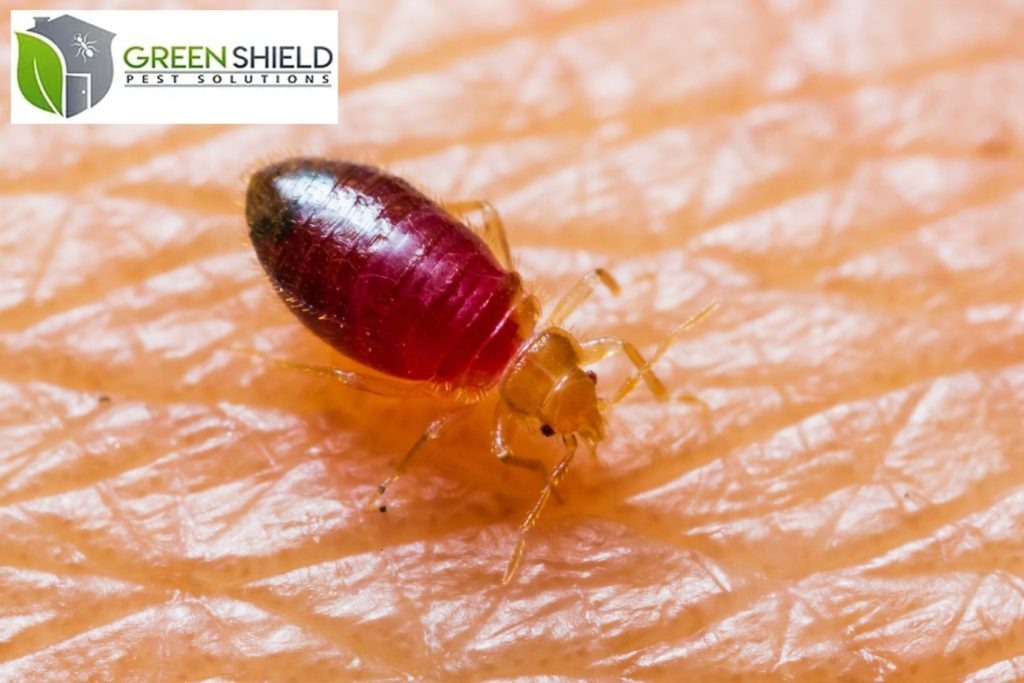
A bed bug is a small, reddish-brown insect that feeds on human blood. Bed bugs are nocturnal creatures that hide in cracks and crevices in furniture, mattresses, and walls. They are known for causing itching, redness, and swelling when they bite. If you’re facing a bed bug infestation, contact Windham pest control experts to ensure effective treatment and prevention.
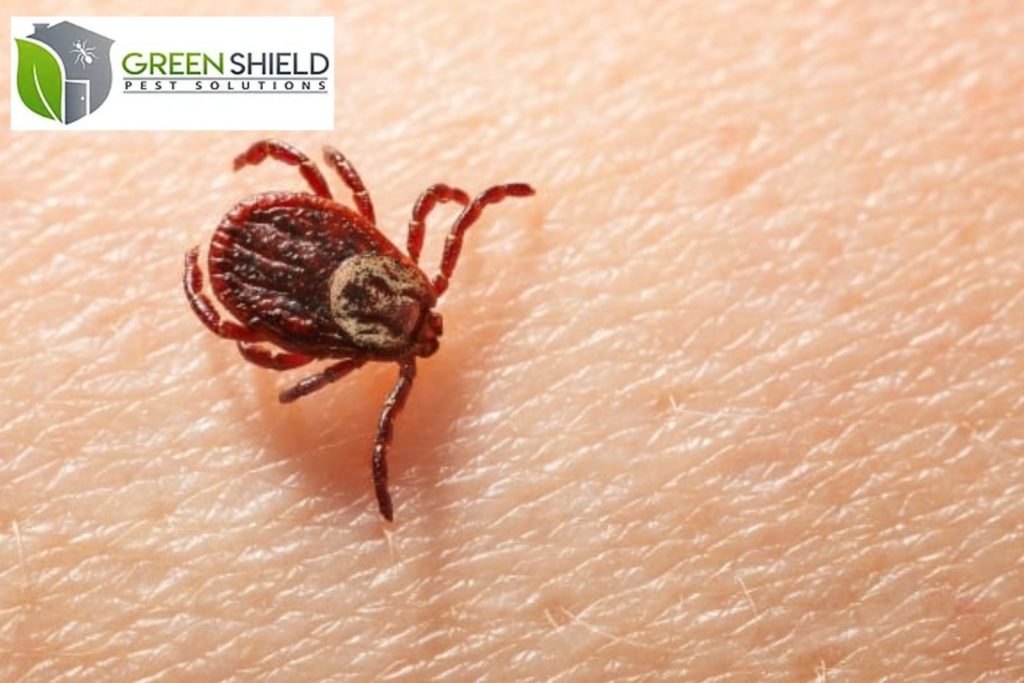
A tick is an arachnid, related to spiders and scorpions, that feeds on blood from mammals, birds, and sometimes reptiles. Unlike bed bugs, ticks latch onto their hosts for extended periods and can transmit diseases such as Lyme disease and Rocky Mountain spotted fever. For effective pest control Windham, it’s essential to address tick infestations quickly to protect your health and property.
Both pests are blood-feeding creatures but differ in their biology, behavior, and impact on humans.
5 Key Differences Between Bed Bugs and Ticks
1. Life Cycle: Bed Bugs vs Ticks
- Bed Bugs: Start as eggs, hatch into nymphs, and become adults after five molts. They can live for several months, feeding on blood during each stage.
- Ticks: Start as eggs, hatch into six-legged larvae, molt into eight-legged nymphs, and then become adults. Ticks need to feed at every stage to molt.
2. Feeding Habits
- Bed Bugs: Feed at night, emerging from hiding places like cracks and crevices to bite and feed on blood.
- Ticks: Latch onto hosts for several days, burrowing their mouthparts into the skin until fully engorged with blood.
3. Where They Live
- Bed Bugs: Found indoors, commonly in beds, furniture, and baseboards in areas with high human traffic.
- Ticks: Found outdoors in tall grass, wooded areas, and bushes. They do not live on their hosts but wait for them to pass by.
4. Risk of Disease
- Bed Bugs: Do not transmit diseases, but can cause allergic reactions and skin infections due to excessive scratching.
- Ticks: Known to transmit diseases such as Lyme disease, anaplasmosis, and Rocky Mountain spotted fever, making them a greater health concern.
5. Bites: Bed Bug vs Tick Bites
- Bed Bug Bites: Result in small, red, itchy welts often arranged in a line. Bites typically appear in the morning after a night of feeding.
- Tick Bites: Can remain unnoticed for days, as ticks latch onto the skin and may transmit disease-causing bacteria during feeding.
Steps to Protect Yourself from Bed Bugs and Ticks in Windham, CT
How to Prevent Bed Bug Infestations
- Inspect bedding and furniture regularly for small blood stains or dark spots.
- Use mattress and pillow protectors to prevent bed bugs from hiding.
- Keep your home clutter-free to eliminate hiding spots.
How to Prevent Tick Bites
- Wear long sleeves and pants when hiking or spending time outdoors.
- Use tick repellents that contain DEET.
- Check yourself for ticks after spending time in grassy or wooded areas.
Is There a Difference Between Bed Bugs and Ticks?
Yes, there is a significant difference between bed bugs vs ticks. Bed bugs are nocturnal pests that prefer indoor environments, while ticks are external parasites that live outdoors and latch onto their hosts for extended periods. For effective bed bug control, it’s important to act quickly and seek professional help from an exterminator Windham to prevent a full-blown infestation.
Conclusion: Bed Bugs vs Ticks: What You Need to Know
Both bed bugs and ticks can cause discomfort, but understanding their life cycles, feeding habits, and differences in impact is crucial for effective prevention and treatment. Whether you’re dealing with bed bug infestations or tick problems in Windham, CT, early detection and professional help are key to protecting your home and health. For expert pest control services, contact Green Shield Pest Solutions, your trusted partner in pest management.
About Green Shield Pest Solutions
At Green Shield Pest Solutions, we specialize in pest control services in Windham. Whether you’re dealing with ticks, bed bugs, or other pests, our experienced team provides expert pest management solutions tailored to your needs. Contact us today for a free estimate!
5 Frequently Asked Questions About Bed Bugs and Ticks
1. How do I know if I have bed bugs or ticks?
- Bed Bugs: Look for small, reddish-brown insects or tiny blood stains on sheets and furniture.
- Ticks: Ticks attach to your skin and can be seen once engorged. Check your body after outdoor activities in tall grass or wooded areas.
2. Can ticks transmit diseases?
Yes, ticks are known to transmit several serious diseases, including Lyme disease and Rocky Mountain spotted fever.
3. Are bed bugs dangerous?
While bed bugs do not transmit diseases, their bites can cause significant discomfort, itching, and allergic reactions.
4. Can I remove ticks myself?
Yes, use fine-tipped tweezers to grasp the tick close to the skin and pull gently. Be sure to remove the tick entirely.
5. How can I get rid of bed bugs?
Contact a professional exterminator to address a bed bug infestation. They use specialized treatments, such as heat treatments and chemical applications, to eliminate bed bugs effectively.