

Spiders in the home are often met with a swift shoe or a panicked call for help, but what if that eight-legged visitor is a brown recluse? Known for its venomous bite and elusive nature, this spider has built a reputation that often precedes it. However, not every brown spider hiding in a corner is a brown recluse. Misidentification is common, and knowing the difference is key to keeping your home safe and your mind at ease.
Understanding the Brown Recluse: What Sets It Apart?
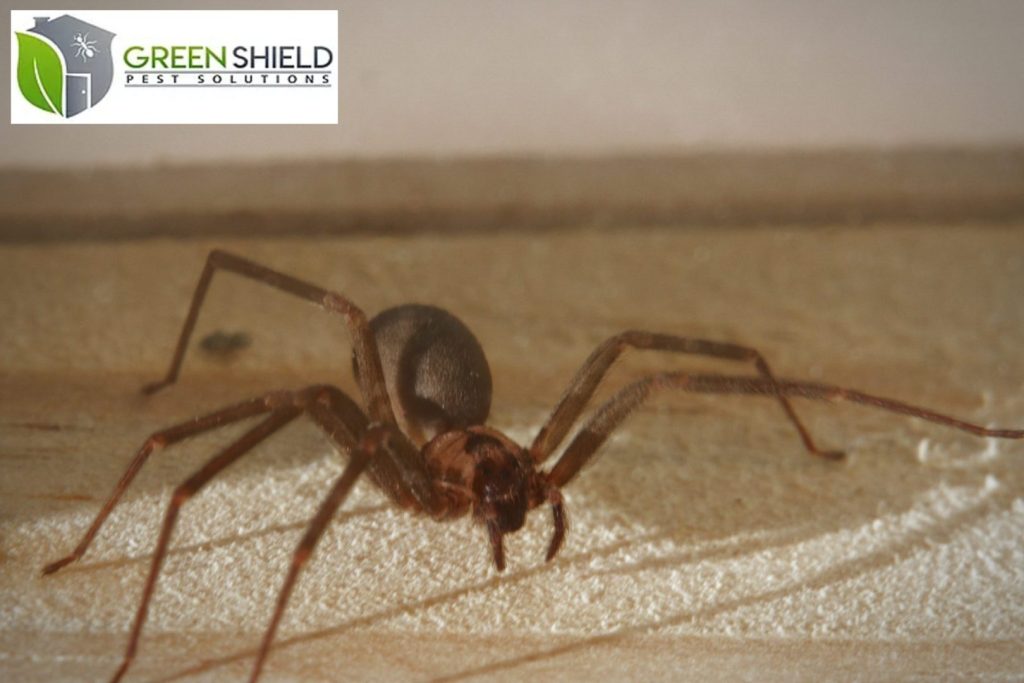
The brown recluse (Loxosceles reclusa) is native to the central and southern United States but can occasionally be found in other regions due to travel, shipments, or relocated belongings. These spiders are not aggressive, but they will bite if threatened, especially when trapped against the skin.
What makes them stand out?
Key Identification Features:
- Color: Light to medium brown, sometimes with a slightly yellowish tone.
- Size: Roughly 6 to 20 mm in body length (not including legs).
- Markings: A distinctive violin-shaped marking on the back, with the “neck” of the violin pointing toward the rear.
- Eyes: Six eyes arranged in three pairs (dyads), unlike most spiders, which have eight eyes.
- Legs and body: Uniformly colored legs (no stripes or bands) and a body that is smooth and hairless.
Common Lookalikes: Harmless Imposters
It’s easy to mistake other household spiders for the brown recluse. Several species share the same general coloring and size, but lack the distinctive traits that make the recluse unique.
Spiders That Look Like Brown Recluse
- Wolf Spiders: Much larger and more robust, with visible hair and patterned legs.
- Cellar Spiders (Daddy Longlegs): Very thin legs and translucent bodies.
- Grass Spiders: Have banded legs and spinnerets that protrude like a tail.
- Huntsman Spiders: Flat-bodied and fast-moving, but without the violin mark or six eyes.
Before you panic, compare your eight-legged guest with these characteristics to avoid unnecessary worry. Still unsure? It’s time to bring in expert help, like spider control.
Where Brown Recluses Hide Indoors
True to their name, brown recluse spiders are not social. They prefer to hide in undisturbed areas of your home. Their favored hiding spots include:
- Behind baseboards or wall voids
- Inside closets or boxes stored in garages or basements
- Under furniture or appliances
- Inside shoes, clothing, or folded linens
They tend to come out at night in search of prey. If you suspect an infestation, check these areas with caution and avoid reaching into dark or uninspected spaces.
Are Brown Recluse Bites Dangerous?
Yes, but with context. Though not typically fatal, a brown recluse bite can be medically significant. The venom contains enzymes that can cause necrosis (tissue death), leading to an open sore or ulcer if left untreated.
Symptoms of a Brown Recluse Bite:
- Reddened skin and blistering
- Itching or pain within hours
- A growing wound that can become necrotic
- Fever, chills, or body aches in rare cases
Not every bite causes severe reactions, but if you suspect you’ve been bitten by one, seek medical attention immediately. Early treatment can prevent complications.
Wondering if brown recluse spiders bite people frequently? Not really. These spiders avoid human contact and bite only in self-defense, often when accidentally pressed against the skin.
Prevention Tips: Keep Spiders Out of Your Home
The best way to prevent a run-in with a brown recluse or its harmless doppelgangers is by taking proactive measures to seal off their favorite hiding places and reduce their food sources. For professional help, consider Falmouth pest control to ensure your home is protected from these unwanted guests.
How to Get Rid of Spiders in the House
- Declutter storage areas: Cardboard boxes and piles of clothing make ideal hiding spots.
- Seal cracks and gaps: Especially around windows, doors, baseboards, and vents.
- Use sticky traps: Place them in corners, behind furniture, or inside closets.
- Regularly vacuum and dust: Especially under furniture and behind appliances.
- Eliminate food sources: Spiders feed on other pests, so managing your insect population is critical.
If you’re finding webs or spotting spiders frequently, it may be time to explore your options for professional services on how to get rid of spiders in the house.
When to Call a Professional
If you’re spotting multiple spiders that look like brown recluse, especially in areas with little human traffic, don’t wait until someone gets bitten. Spider control isn’t just about spraying a corner; it involves identifying entry points, locating nests, and reducing indoor insect populations.
A trained technician can properly assess whether you’re dealing with recluse spiders or just harmless mimics. More importantly, they’ll implement a comprehensive strategy that includes:
- Indoor and outdoor treatment applications
- Preventive barrier treatments
- Monitoring with sticky traps and visual inspections
- Advice on storage and sanitation practices
A qualified exterminator in Falmouth, a professional understands local spider behavior and knows how to tailor solutions for your home.
The Bottom Line: Know Before You Panic
The fear around brown recluse spiders is not without reason, but unnecessary panic can cause more stress than the spider itself. Learning how to properly identify and manage spiders in your home can save time, money, and anxiety. When in doubt, consult with a professional pest control in Falmouth to confirm the species and eliminate any risk safely and effectively.
About Green Shield Pest Solutions
Green Shield Pest Solutions is a trusted provider of pest control services to the surrounding communities. Our team specializes in customized solutions for homes and businesses, using environmentally responsible methods to eliminate and prevent infestations. Whether you’re dealing with spiders, ants, ticks, rodents, or seasonal pests, we’re committed to helping you regain peace of mind with expert pest management.
Frequently Asked Questions
1. How do I identify a brown recluse spider?
A brown recluse spider has light to medium brown coloring, sometimes with a yellowish tone. It features a distinctive violin-shaped marking on its back and six eyes arranged in three pairs. Its body is smooth and hairless with uniformly colored legs.
2. What spiders are commonly mistaken for a brown recluse?
Several spiders resemble the brown recluse but are harmless. These include wolf spiders, cellar spiders (daddy longlegs), grass spiders, and huntsman spiders. They may have similar coloring or size, but lack the distinctive violin-shaped marking and six eyes that characterize a brown recluse.
3. Are there dangerous spiders that look like a brown recluse?
While many spiders may look like a brown recluse, only the brown recluse has a venomous bite. Common lookalikes such as wolf spiders, cellar spiders, and grass spiders are not dangerous. It’s important to compare their key features to avoid confusion.
4. How can I tell if I have a brown recluse spider in my home?
Look for brown recluse spiders in undisturbed areas, such as behind baseboards, in closets, or under furniture. They often hide in dark corners or places like shoes, clothing, or folded linens.
5. When should I call a professional for spider control?
If you notice multiple spiders that resemble brown recluse, especially in hidden areas with little human traffic, it’s best to call a professional. An expert can identify the species, eliminate nests, and implement preventive measures.
Need Help with Spider Control?
If you suspect a brown recluse infestation or just want peace of mind, contact us at Green Shield Pest Solutions. Our team of experts will assess the situation and create a customized solution to keep your home spider-free. Call us today for safe and effective pest management!
Other related blogs:
The Benefits of Natural Spider Control In Maine