
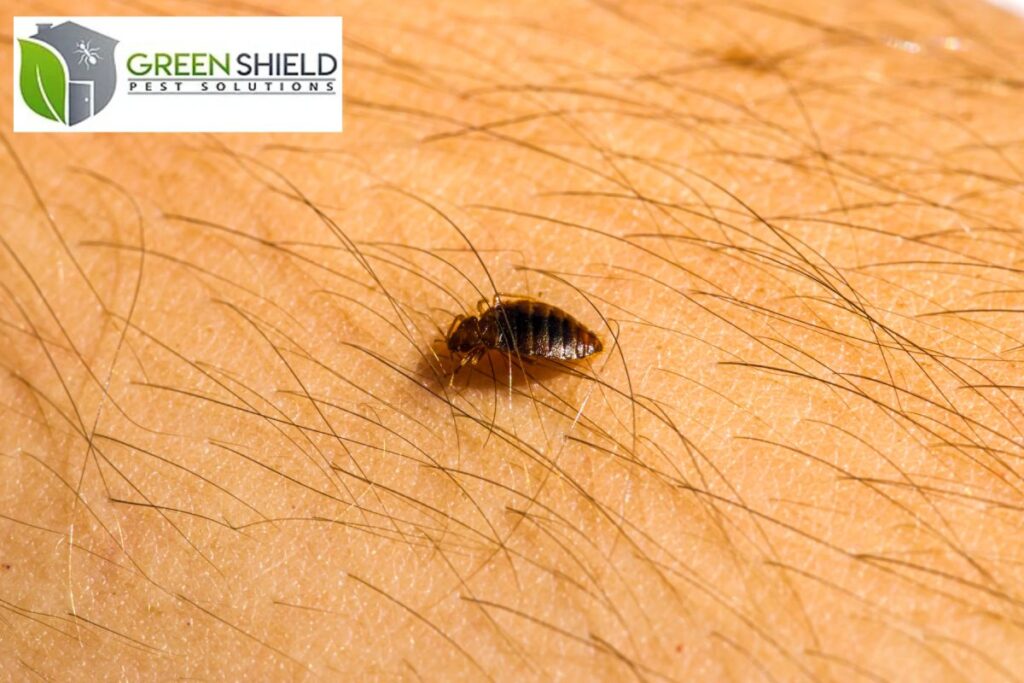
Follow-up inspections are important after professional bed bug control treatment because they help determine whether bed bugs remain active and whether further treatment is needed. A technician checks for live bugs and other signs of activity, reviews the results of the first treatment, and identifies areas that may need more attention.
Why Is One Bed Bug Treatment Not Always Enough?
Bed bugs can hide in small spaces, making it difficult to find every bug during the first inspection. They may be found in mattress seams, box springs, bed frames, furniture, carpet edges, and cracks near sleeping areas.
Bed bug eggs can also affect the treatment process. Depending on the treatment method, some eggs may survive the first visit and hatch later. A follow-up inspection helps the technician check for new activity and decide whether another treatment is needed.
Bed Bugs Can Hide in Hard-to-Reach Places
Bed bugs often stay close to places where people sleep or rest. They can hide in furniture joints, headboards, baseboards, and narrow gaps that are easy to overlook during routine cleaning.
During the initial visit, a technician inspects common hiding places before treatment begins. A follow-up visit provides another opportunity to check these areas and look for signs that bed bugs remain.
Eggs May Hatch After the First Treatment
The effect of treatment on bed bug eggs depends on the products and methods used. If eggs survive, newly hatched bed bugs may appear after the initial visit.
This is one reason Green Shield Pest Solutions schedules a follow-up visit, typically after two weeks, according to its service process. The technician can inspect the affected areas and usually retreat when needed.
Bed Bugs May Be Present in More Than One Area
Bed bugs can hide in furniture, belongings, and other places beyond the bed itself. In homes with several bedrooms, more than one room may need inspection. In apartments and shared buildings, nearby areas may also need attention if there are signs of a wider problem.
Avoid moving potentially infested belongings from one room to another. Tell your technician where you have noticed activity so the inspection can focus on the areas that need attention.
What Do Professionals Look for During a Follow-Up Inspection?
A follow-up inspection checks for signs that bed bugs may still be present. The technician reviews the areas affected during the first visit and considers any new sightings reported by the occupant.
Live Bed Bugs
Technicians may inspect mattresses, box springs, bed frames, furniture, carpet edges, and nearby cracks. Finding a live bed bug after treatment is a reason to contact the provider and have the area assessed.
Not seeing bugs on the mattress does not prove that the room is clear. Bed bugs can hide in other places, so checking the surrounding areas matters.
Eggs, Shed Skins, and Dark Spots
Other signs may include eggs, shed skins, and dark spots linked to bed bug activity. These clues can help a technician assess whether further action may be needed.
A single mark or spot does not always confirm an active infestation. The technician considers the findings together with the inspection results and any reports of recent activity.
Areas That May Have Been Missed
A follow-up inspection may include another look at furniture joints, carpet edges, cracks, and areas that were difficult to access during the first visit.
Preparation makes a difference. Following the company’s instructions about clutter and access helps the technician inspect the affected areas more thoroughly.
Changes Since the First Treatment
Your observations can help the technician understand what has changed. Keep track of where you find bugs or possible signs and when they appear.
New bites alone cannot confirm that bed bugs remain. People react differently to bites, and some skin reactions have other causes. Report your concerns so the technician can consider them alongside other evidence.
Follow-Up Inspection vs. Initial Inspection: What Is the Difference?
Both visits are important, but they serve different purposes.
| Feature | Initial inspection | Follow-up inspection |
| Main purpose | Find signs of bed bugs and assess the problem | Check for remaining or new activity |
| Areas checked | Suspected hiding places and affected rooms | Previously affected areas and places where signs may remain |
| Treatment status | Helps guide the treatment plan | Helps assess the results of treatment |
| Information collected | Signs of bed bugs and the likely extent of the problem | New sightings and changes since treatment |
| Next step | Begin the recommended treatment process | Decide whether monitoring or further treatment is needed |
Why Both Visits Matter
The initial inspection helps the technician understand the problem and prepare an appropriate treatment plan. The follow-up inspection checks how the property has responded and whether additional action may be needed.
If you are considering bed bug control, ask the provider how inspections and follow-up visits fit into the overall process. Knowing what happens at each stage can help you prepare your home and understand what to expect.
When Should a Follow-Up Inspection Be Scheduled?
The right timing depends on the treatment method, the extent of the infestation, and the provider’s instructions. Green Shield Pest Solutions states that its technician typically returns after two weeks to inspect and usually treat.
Follow the Treatment Provider’s Instructions
Before treatment, Green Shield provides a preparation guide by email after the quote and appointment are arranged. The guide covers steps such as clearing clutter, drying fabric items on high heat, and making plans to be away from the home or apartment for a few hours on the service day.
Follow the instructions given for your particular treatment. If you are unsure about cleaning, laundry, or moving furniture, ask the company before making changes.
Contact the Provider if Signs Continue
If you find a live bed bug after treatment, note where you found it and contact your provider. Do not assume the entire treatment failed, but do not ignore repeated sightings either.
The technician can review the situation and determine whether another inspection or further treatment is appropriate. This is especially useful when signs appear in several rooms or continue over time.
Follow Post-Treatment Guidance
Green Shield’s published process states that occupants and pets can return four hours after treatment. It also advises vacuuming after 24 hours and keeping the indoor temperature warmer for a couple of weeks.
These instructions are specific to the company’s stated process. Follow the directions given by your technician for your appointment, including any product-specific safety instructions.
What Should You Do Before a Follow-Up Inspection?
Preparing properly helps the technician inspect the affected areas and check for signs of continued activity.
- Review the preparation guide. Follow the company’s instructions about clutter, fabrics, and access to affected areas.
- Record new sightings. Note when and where you find bugs or possible signs.
- Avoid moving belongings between rooms. Moving potentially infested items may spread bed bugs.
- Keep inspection areas accessible. Make it possible for the technician to check beds, furniture, and nearby hiding places.
- Follow cleaning instructions. Green Shield advises vacuuming 24 hours after treatment as part of its published process. Confirm the instructions for your specific appointment.
- Share your concerns. Tell the technician about new sightings, missed areas, or questions about the first treatment.
Do not add products or change the treatment plan without speaking to your provider. Unplanned steps may interfere with the agreed process or create unnecessary safety concerns.
Myth vs. Fact: No More Bed Bug Bites Means the Infestation Is Gone
Myth: If you stop getting bed bug bites, the problem has been solved.
Fact: A lack of new bites does not prove that bed bugs are gone. People react differently to bites, and some may not develop visible marks. Bed bugs may also remain hidden, making it difficult to judge treatment results based on bites alone.
A follow-up inspection gives the technician a chance to look for live bugs and other signs of activity. Inspection findings, new sightings, and the recommended monitoring period provide a better basis for deciding whether further action is needed.
If you are looking into pest control in Dayton, ME, ask how follow-up inspections fit into the treatment plan and what signs you should report afterward. Clear instructions help you understand what to expect instead of relying on guesswork.
Applying Our Safe and Effective Solutions With Green and Safe Pesticides
Green Shield Pest Solutions uses safe and effective solutions as part of its approach to bed bug control. The company’s published process includes preparation, a detailed inspection, targeted treatment, post-treatment instructions, follow-up inspections, and prevention advice.
Inspect Before Choosing the Next Step
A useful follow-up begins with checking the areas affected during the initial visit. The technician can look for live bed bugs and other signs, review new sightings, and assess whether activity may remain.
The findings help guide the next step. Depending on the situation, this may involve continued monitoring, another inspection, or additional treatment. The aim is to respond to the evidence rather than promise that one visit will solve every infestation.
Apply Green and Safe Pesticides Responsibly
Green and safe pesticides are part of Green Shield Pest Solutions’ eco-conscious approach. The company states that its bed bug treatment uses EPA-approved materials, including dusts, liquids, and aerosols, applied to infested areas.
Responsible pest control in Dayton also means following product label directions and explaining any required precautions. Homeowners should follow the technician’s instructions about treated areas, children, pets, and re-entry. No pesticide should be described as entirely risk-free.
Keep Customers Informed Throughout the Process
Bed bug problems can be stressful, especially when signs appear after treatment. Clear communication helps customers understand what the technician found, what the findings may mean, and what to do next.
Green Shield’s process includes preparation guidance, post-treatment instructions, and follow-up visits. The company also states that it monitors cases and may return for further checks to help confirm that the infestation has been addressed.
What Can Happen if You Skip Follow-Up Inspections?
Skipping a recommended inspection can leave you uncertain about whether bed bugs remain and whether more treatment is needed.
Remaining Activity May Go Unnoticed
Bed bugs can hide in places that are not easy to see during everyday cleaning. Without a follow-up check, ongoing activity may be harder to identify, especially when sightings are occasional.
You May Not Know Whether More Treatment Is Needed
Inspection findings help the provider decide whether further treatment or monitoring is appropriate. Without them, homeowners may guess about the results or try products that are not part of the original plan.
Bed Bugs May Spread to Other Areas
Bed bugs can move with infested belongings and may be present in nearby rooms. Reporting new signs promptly helps the provider assess whether other areas need to be checked.
For renters, landlords, and property managers, communication between occupants and the Dayton pest control provider is especially important. Keeping a record of sightings and inspection findings helps everyone understand the next steps.
People Also Ask About Follow-Up Bed Bug Inspections
Are follow-up inspections necessary after bed bug treatment?
Follow-up inspections help check for remaining bed bug activity and determine whether more monitoring or treatment may be needed. Green Shield Pest Solutions typically schedules a return visit after two weeks as part of its published process.
How soon should a follow-up inspection take place?
The timing depends on the treatment method and the provider’s instructions. Green Shield’s published process states that a technician typically returns after two weeks to inspect and usually treat.
What do professionals look for during a follow-up inspection?
They may look for live bed bugs, eggs, shed skins, dark spots, and activity in common hiding places such as mattress seams, box springs, bed frames, furniture, and nearby cracks.
Does not seeing bed bugs mean the treatment worked?
Not necessarily. Bed bugs can remain hidden, and signs may be difficult to spot. A professional inspection and the recommended monitoring process provide a better way to assess results.
Should I clean my home before a follow-up inspection?
Follow the preparation and cleaning instructions provided for your treatment. Green Shield’s published guidance includes vacuuming 24 hours after treatment, but you should confirm any instructions specific to your appointment.
What should I do if I find a live bed bug after treatment?
Record where you found it and contact your treatment provider. The technician can assess the sighting and decide whether another inspection or further treatment is appropriate.
Can bed bugs return after treatment?
Bed bugs may remain if the infestation has not been fully addressed, or they may be introduced again through infested belongings or furniture. Follow-up inspections and prevention advice help identify signs that need attention.
Confirm Your Treatment Results With Green Shield Pest Solutions
Follow-up inspections help determine whether bed bugs remain active and whether further steps are needed. They also give you a chance to discuss new sightings, ask questions, and get clear guidance on what to do next.
Green Shield Pest Solutions follows a treatment process that includes preparation, inspection, targeted treatment, aftercare guidance, and follow-up visits. If you have concerns after treatment, the team can help you understand the next steps.
Visit our bed bug control page to learn more about our process. Contact us now to request a quote or schedule an inspection.