
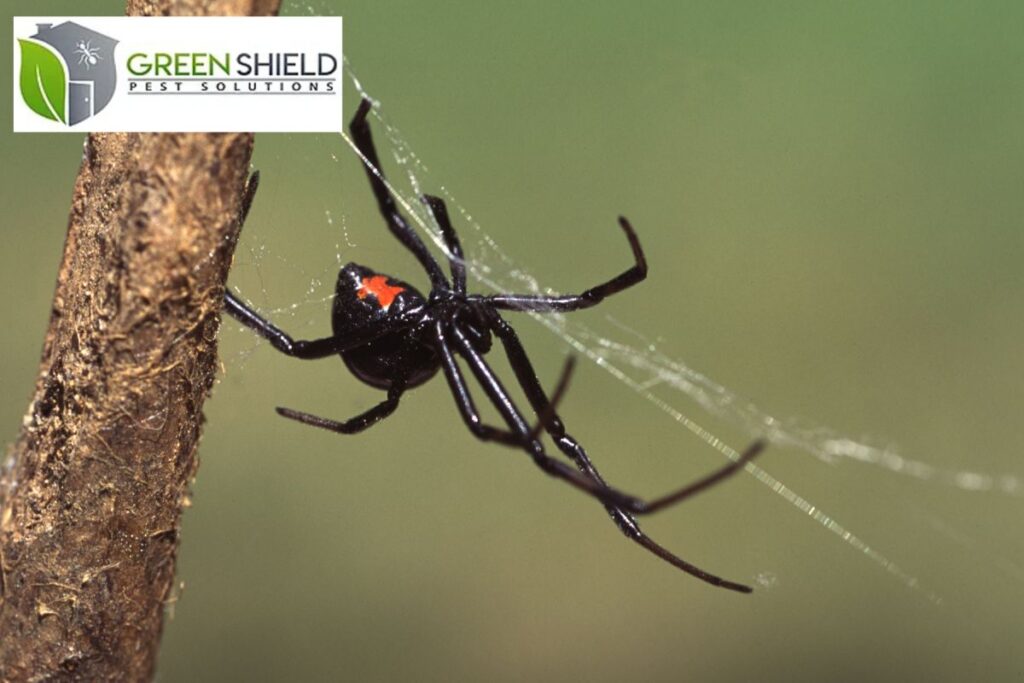
Spiders keep appearing indoors after homeowners remove their webs because some may still be hiding nearby, new spiders may enter through gaps, and the home may offer food and shelter. Removing webs clears the visible mess, but reducing repeat sightings also means checking entry points, limiting hiding places, and addressing other insects that may attract spiders.
Why Do Spiders Keep Coming Back After Their Webs Are Removed?
Removing a spider web does not always remove the spider that built it. Some spiders hide behind furniture, inside closets, or in quiet corners during the day. Others may enter from outside after the original webs have been cleaned away.
A home can also provide the conditions spiders need to stay. They may find insects to eat, undisturbed places to hide, and openings that make it easy to move indoors. This is why repeated sightings do not always mean that cleaning has failed.
For homeowners looking for pest control in Chelsea, ME, it helps to look beyond the webs themselves. The next step is to check whether spiders are hiding nearby, entering through gaps, or finding enough food and shelter to remain indoors.
Removing Webs vs. Addressing the Cause
| Action | What it helps with | What it may not solve |
| Removing visible webs | Clears webs from ceilings, corners, and walls | Hidden spiders or new arrivals |
| Vacuuming corners and crevices | Removes webs and may remove spiders in those areas | Spiders entering later |
| Sealing suitable gaps | Helps limit access from outdoors | Spiders already inside |
| Reducing indoor insects | May reduce an available food source | Every reason spiders appear |
| Professional inspection and treatment | Helps identify likely hiding places, entry points, and related pest activity | Cannot guarantee that no spider will ever enter |
Removing webs is useful, but it is only one part of spider prevention. If the conditions that support spider activity remain, new webs may appear in the same places.
What Attracts Spiders to a Home?
Spiders do not all behave in the same way, but many enter buildings in search of shelter or places where they can find prey. A few common conditions can make a home more appealing.
Other Insects Provide Food
Many spiders feed on insects and other small arthropods. Flies, moths, mosquitoes, and other insects may provide food, depending on the spider species.
If spiders keep appearing in an area where insects are also common, it may be worth checking for the source of that activity. Open food containers, uncovered waste, or gaps that let insects inside can contribute to some pest problems. However, seeing a spider does not automatically mean a home has a larger insect issue.
Quiet Areas Provide Shelter
Spiders often build webs or hide in places that receive little disturbance. Common spots include basements, garages, closets, storage rooms, ceiling corners, and areas behind furniture.
Boxes, stored belongings, and clutter can make these spaces harder to inspect. Keeping items organized and leaving room to clean along walls can make it easier to spot webs and other signs of activity.
Gaps Allow Spiders to Enter
Damaged window screens, gaps beneath doors, and openings around pipes or cables can provide access from outdoors. Spiders may also enter through open doors and windows, especially when screens are missing or damaged.
Sealing suitable openings and repairing screens can help reduce the number of spiders that get inside. These steps will not remove spiders already in the home, but they can address one possible source of repeat sightings.
Where Should Homeowners Look for Spiders?
When webs keep returning, check the areas where spiders are most likely to hide or enter. Focus on the places where sightings happen most often rather than assuming the whole home has the same problem.
Windows, Doors, and Exterior Openings
Check window screens for tears and look for gaps around frames. Inspect the bottom of exterior doors and check whether door sweeps fit properly. Also look around utility openings where pipes or cables pass through walls.
Repairing these areas can help limit access, but avoid blocking vents or drainage openings that the home needs.
Basements, Garages, and Storage Areas
Basements and garages often contain quiet corners and stored items that are not moved often. Check behind boxes, along wall edges, around shelving, and near doors that lead outdoors.
Keep stored belongings organized and remove unnecessary clutter where possible. This makes cleaning easier and helps reveal webs or other signs that might otherwise go unnoticed.
Ceilings, Closets, and Furniture
Look at ceiling corners, the tops of cabinets, closet edges, and spaces behind furniture. If webs repeatedly appear in one location, check nearby gaps and look for small insects that may be drawing spiders to the area.
Removing webs and vacuuming the surrounding area can help. If activity continues, note where and when spiders appear so you can better identify a pattern.
Outdoor Areas Near the Home
Outdoor lighting can attract insects, which may bring spiders closer to the building. Vegetation, stored items, and debris near exterior walls may also provide places for spiders and their prey to gather.
Keep the area near the home’s foundation reasonably tidy and consider whether exterior lights are drawing insects close to doors and windows. These steps can help reduce conditions that support activity around the property.
How Can Homeowners Reduce Recurring Spider Activity?
A few practical steps can help make indoor spaces less inviting to spiders. The most useful approach combines cleaning, home maintenance, and attention to other pest activity.
- Remove webs and check nearby areas. Use a vacuum or suitable cleaning tool to remove visible webs. Inspect nearby corners, crevices, and furniture.
- Repair screens and seal suitable gaps. Check windows, door frames, and openings around utility lines. Use repair methods that do not block ventilation or drainage.
- Reduce clutter. Organize storage areas and keep belongings away from walls when practical.
- Address other insects. Store food properly, clean up crumbs, manage waste, and investigate recurring insect activity.
- Track repeat sightings. Note the room, location, and frequency of spider sightings. This information can help identify a likely entry point or hiding area.
- Consider professional help if the problem continues. If spiders keep appearing despite regular cleaning and basic prevention, an inspection may help identify other causes.
These steps can reduce common conditions that support spider activity, but no single action will keep every spider out of a home.
DIY Spider Prevention vs. Professional Spider Control
Occasional spider sightings can often be managed with routine cleaning and simple home maintenance. Professional help may be useful when activity continues, the source is unclear, or spiders are appearing in several areas.
When DIY Prevention May Be Enough
If you find a few webs in corners or near windows, start by removing them and checking the surrounding area. Repair damaged screens, close suitable gaps, organize storage spaces, and reduce indoor insects where possible.
These steps are a reasonable starting point when sightings are occasional, and there are no other signs of a pest problem.
When Should You Consider Professional Help?
Consider an inspection if spiders keep returning despite your efforts, appear repeatedly in different rooms, or seem linked to other insect activity. Professional guidance can also help when you are unsure what type of spider you have found or how to handle it safely.
| Factor | DIY prevention | Professional spider control |
| Visible webs | Can be removed during routine cleaning | May be addressed during a wider inspection |
| Entry points | Homeowners can repair accessible gaps | A technician can help identify likely access areas |
| Hidden activity | May be difficult to locate | An inspection can help assess recurring activity |
| Other insects | Basic cleaning and food storage may help | Related pest activity may be assessed where appropriate |
| Treatment plan | Based on visible signs and maintenance | Can be tailored to inspection findings |
Professional treatment is not necessary for every spider sighting. The right response depends on the level of activity, the type of spider, and the conditions found in the home. If sightings continue, pest control in Chelsea can help identify contributing factors and recommend appropriate steps to reduce spider activity.
Applying Our Green and Safe Pesticides Approach to Spider Control
Green Shield Pest Solutions provides spider control for residential and commercial properties. Our approach combines green and safe pesticides with attention to the areas where spider activity occurs. The goal is to reduce unwanted activity and help customers maintain a safe, comfortable, and pest-free environment.
Green and Safe Pesticides
Our use of green and safe pesticides reflects the importance of careful product selection and responsible treatment. The right product depends on the pest, the area being treated, and the conditions found during an inspection.
No pesticide should be described as completely risk-free. Products must be used according to their labels, including any directions about children, pets, ventilation, and when treated areas can be used again. Customers should receive clear guidance on any precautions that apply to their service.
Spider prevention also involves more than product use. Removing webs, sealing suitable entry points, reducing clutter, and addressing other insect activity can support a broader prevention plan.
Working Toward a Safe and Pest-Free Home
Our goal is to help customers maintain a home or business with fewer unwanted pests. That starts with understanding where spiders appear and what may be contributing to the problem.
A customized plan may include an inspection, targeted treatment where appropriate, and advice on preventing future activity. Recommendations should reflect the property rather than rely on the same steps for every customer.
We also value clear communication. Homeowners should understand what the technician found, which actions are recommended, and what they can do between visits to support prevention. While no treatment can guarantee that a home will never have another spider, a plan based on the conditions found can help reduce recurring activity.
Personalized Service and Ongoing Education
Green Shield Pest Solutions emphasizes personalized service, continuous education, and treatments tailored to each customer’s needs. These principles support a service experience built around clear advice and practical next steps.
For homeowners considering Chelsea pest control, recurring spider sightings are a reason to look at the conditions around the home, not just the webs. A careful assessment can help determine whether entry points, hiding places, other insects, or a combination of factors may be contributing to the problem.
Myth vs. Fact: Removing Spider Webs Stops Spiders From Returning
Myth: If you remove every visible web, spiders will stop appearing indoors.
Fact: Web removal clears visible webs, but it may not remove hidden spiders or stop new ones from entering. Spiders may still find food, shelter, and access through gaps around windows and doors.
A better approach is to combine regular cleaning with home maintenance and attention to other insects. If spiders keep appearing in the same areas, inspect nearby openings and hiding places instead of repeatedly cleaning the webs without checking for a cause.
Occasional spiders are common, and the goal is to reduce unwanted indoor activity, not to promise that a home will never have a spider again.
People Also Ask: Why Spiders Keep Appearing Indoors
Why do I keep finding spiders after removing their webs?
Removing a web does not always remove the spider that made it. Other spiders may be hiding nearby, or new ones may enter through gaps. Checking hiding places, repairing screens, and addressing indoor insect activity may help reduce repeat sightings.
Does a clean house prevent spiders?
A clean home makes webs and spiders easier to spot, but cleanliness alone cannot prevent every spider from entering. Spiders may still find shelter, prey, or access through openings around doors and windows.
What attracts spiders inside a house?
Spiders may enter for shelter or because insects and other small prey are available. Quiet corners, storage areas, gaps around windows, and damaged screens can all contribute to indoor activity.
How do I stop spiders from coming back?
Remove visible webs, inspect nearby hiding places, repair damaged screens, seal suitable gaps, and reduce indoor insect activity. If spiders continue appearing, a professional inspection may help identify other contributing conditions.
Should I call a professional if spiders keep appearing?
Consider professional help when sightings continue despite regular cleaning and prevention, when the source is unclear, or when you are concerned about identifying or handling a spider. An inspection can help determine whether treatment or other steps are appropriate.
Do spiders mean I have an insect problem?
Not necessarily. Many spiders eat insects and other small arthropods, so prey may be one factor behind their presence. However, finding a few spiders does not automatically mean your home has a larger insect problem.
Get Help With Recurring Spider Activity
Removing webs is a useful first step, but repeated sightings may mean there are other factors to address. Checking entry points, reducing clutter, and paying attention to indoor insects can help homeowners take a more complete approach to prevention.
Green Shield Pest Solutions can help you explore options suited to your home or business. Our team values clear communication, personalized service, and practical recommendations that take your concerns into account.
Visit the Green Shield Pest Solutions spider pest library to learn more about spider activity and prevention. You can also contact our team to request a free inspection or quote and discuss a plan that fits your needs.