
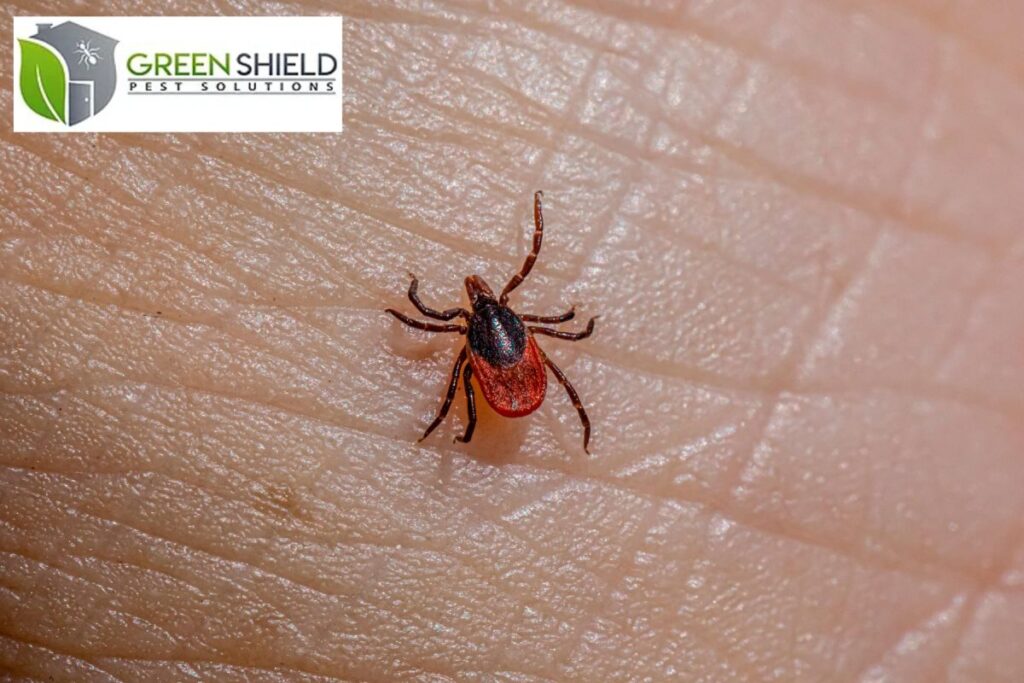
Ticks can keep appearing in a treated yard because nearby woods, tall grass, and shaded vegetation may support ongoing tick activity. Treatment can reduce ticks in targeted areas, but new ticks may enter from surrounding habitats. Regular yard care and a treatment plan suited to the property can help reduce tick activity and exposure.
Why Do Ticks Return After Yard Treatment?
Finding ticks after treatment can be frustrating, especially when you have already taken steps to protect your yard. However, one sighting does not automatically mean the treatment failed. Ticks may remain in areas outside the treatment coverage or enter from nearby vegetation.
Ticks Can Move Into the Yard From Nearby Habitats
Wooded areas provide shelter and suitable conditions for many ticks. When a yard borders a wooded area, field, or walking path surrounded by vegetation, ticks may be found near the edge of the lawn.
Wildlife can also carry ticks from one area to another. Even if the main lawn has been treated, nearby habitats may continue to contribute to tick activity.
In Chelsea, homeowners with yards near wooded borders or overgrown paths may need to pay close attention to these transition areas. Identifying where ticks appear can help determine which parts of the property need more attention.
Some Areas May Receive Less Treatment Coverage
Ticks are not spread evenly across a yard. They may be more common in shaded areas with thick plants, damp ground, and leaf litter than in open, well-maintained lawn spaces.
Dense shrubs, overgrown borders, and spaces along fences can be harder to inspect and maintain. If these areas are not included in a treatment plan, tick activity may continue there.
A property assessment can help identify likely tick habitats and determine which areas need attention. Treatment should match the property’s conditions and follow the product’s label instructions.
Weather and Yard Conditions Can Affect Results
Moisture, shade, and plant growth can affect the conditions where ticks live. Many ticks seek shelter in damp areas when exposed to drying conditions, so leaf litter and dense vegetation may provide suitable places for them.
Rain can also affect some treatments, but the impact depends on the product and its instructions. Follow your provider’s guidance instead of assuming that every treatment needs to be repeated after rainfall.
Tick Activity May Continue Even When Numbers Have Decreased
A treated yard is not necessarily free of every tick. Treatment may reduce activity in targeted areas without preventing new ticks from entering the property.
Pay attention to where and how often you find ticks. Are they appearing near the same wooded border? Are they showing up after walks along a nearby path? Are family members finding them in several parts of the yard?
These patterns can help you and your pest control in Chelsea decide whether the property needs another assessment or changes to the current plan.
Where Do Ticks Hide Around Treated Yards?
Knowing where ticks may be found can help you focus yard maintenance on areas where people and pets are most likely to encounter them.
Wooded Edges and Property Boundaries
The border between a lawn and wooded land deserves attention. Leaf litter, shrubs, and shaded plants can create suitable conditions for ticks, while wildlife may pass through these areas.
Keep grass along the boundary trimmed where practical, remove excess leaves, and maintain a clear transition between the lawn and dense vegetation. These steps can reduce contact with tick-prone areas, although they cannot prevent every tick from entering the yard.
Walking Paths and Outdoor Seating Areas
Paths near woods, tall grass, or thick plants can bring people into closer contact with vegetation where ticks may be present. Ticks can attach to clothing or skin when people brush against plants.
Keep paths clear and trim plants that grow over walkways. After spending time outdoors, check clothing and exposed skin for ticks. Check children and pets after they have played or walked near dense vegetation, too.
Tall Grass, Shrubs, and Dense Ground Cover
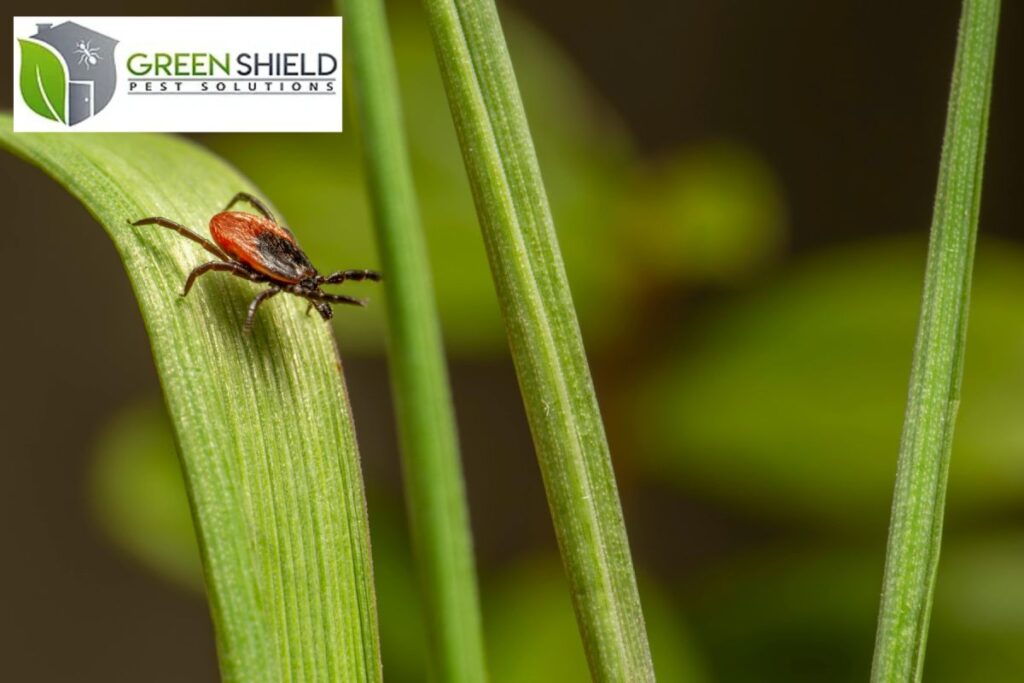
Overgrown grass and thick plants can make a yard harder to maintain and inspect. Some ticks wait on vegetation for a passing host, while others spend more time in leaf litter or sheltered ground areas.
Mow regularly, trim shrubs, and maintain the areas around patios, play spaces, and common walkways. These steps can reduce contact with dense vegetation and make the yard easier to check.
Leaf Litter and Shaded Spots
Accumulated leaves can provide shelter for some ticks. Damp areas under shrubs, along fences, and near wooded edges may also support tick activity.
Remove excess leaf litter from frequently used areas and avoid letting leaves build up beside walkways or outdoor seating spaces. Yard maintenance cannot eliminate every tick, but it can help make key areas easier to manage.
Which Yard Conditions Make Tick Activity More Likely?
Different parts of a property can create different levels of tick exposure. Use this table to identify areas that may need attention.
| Yard condition | Why it matters | Helpful action |
| Wooded edges | May connect the yard to tick habitats | Maintain a clear, manageable border |
| Tall grass | Increases contact with vegetation where ticks may be present | Mow regularly |
| Dense shrubs | Can create shaded areas that are harder to inspect | Trim overgrowth where practical |
| Leaf litter | May provide shelter for some ticks | Remove excess leaves from key areas |
| Paths near vegetation | People may brush against tick-prone plants | Keep paths clear and check for ticks after use |
| Frequent wildlife activity | Animals may carry ticks onto the property | Secure garbage and avoid leaving pet food outside |
These steps support tick prevention, but they do not guarantee that ticks will never enter the yard. Properties near wooded areas may continue to experience some tick activity even with regular maintenance.
How Can You Reduce Tick Activity After Treatment?
Homeowners can take several practical steps to make their yards easier to maintain and reduce contact with tick-prone areas.
- Identify where ticks appear. Note whether sightings occur near wooded edges, paths, shrubs, or lawn areas. This information can help guide an inspection.
- Maintain grass and plants. Mow regularly and trim overgrown vegetation around the areas your family uses most.
- Remove excess leaf litter. Focus on leaves gathered near walkways, patios, play areas, and property borders.
- Reduce wildlife attractants. Keep garbage secured and avoid leaving pet food outdoors. Do not encourage wildlife to gather near the home.
- Keep walking paths clear. Trim plants that grow over walkways and limit direct contact with tall grass or dense vegetation.
- Follow treatment instructions. Observe product-specific directions about weather, treated areas, and when people or pets may return to them.
- Check people and pets after outdoor activities. Look for ticks after spending time near woods or thick vegetation. Follow suitable tick-prevention guidance from healthcare or veterinary professionals.
- Track recurring sightings. Record where ticks appear and whether activity continues after treatment. Share this information with your pest control provider.
If ticks continue appearing in several areas, a professional assessment may help identify conditions that need further attention.
American Dog Ticks vs. Black-Legged Ticks: What Should Homeowners Know?
Different tick species may live in different habitats and carry different disease risks. Two species found in North America are the American dog tick and the black-legged tick.
| Feature | American dog tick | Black-legged tick |
| Also known as | Wood tick | Deer tick |
| Common habitat | Grassy areas, brush, and vegetation where animals may pass | Wooded areas, leaf litter, and shaded vegetation |
| Health concerns | Can transmit Rocky Mountain spotted fever and other diseases | Can transmit the bacteria that cause Lyme disease and other illnesses |
| Why identification matters | Helps inform the response to a bite or sighting | Helps guide tick-bite precautions and medical follow-up |
Why Correct Identification Matters
Ticks can be difficult to identify, especially when they are small or have fed. Do not rely on appearance alone to decide whether a tick is dangerous.
If you find an attached tick, follow trusted public health guidance for safe removal. Contact a healthcare professional if you develop a rash, fever, or other concerning symptoms after a tick bite. For pets, contact a veterinarian if you have concerns about a bite or possible tick-borne illness.
Myth vs. Fact: Does Seeing Ticks After Treatment Mean the Treatment Failed?
Myth: One yard treatment should eliminate every tick and prevent new ones from appearing.
Fact: Treatment results depend on the areas covered, the product used, and the conditions around the property. Ticks may remain in nearby habitats or enter the yard after treatment. No treatment should be presented as a guarantee that every tick will be eliminated or that new ticks cannot arrive.
Continued sightings should still be taken seriously. If ticks repeatedly appear in the same areas or across several parts of the property, contact your provider to review the results and decide whether the treatment plan needs further attention.
Homeowners looking into pest control in Chelsea, ME, should understand that the goal is to reduce tick activity and exposure, not to promise that a yard will remain completely free of ticks.
Applying Our Eco-Conscious Practices to Tick Control
Green Shield Pest Solutions uses an eco-conscious approach to pest management, with recommendations based on the property, the target pest, and the customer’s concerns. For tick control, this includes applying treatment with green and safe pesticides as part of a plan designed around the conditions found during an assessment.
Start With the Areas That Need Attention
A useful treatment plan begins by identifying where tick activity is most likely. Wooded borders, dense shrubs, shaded areas, and paths near vegetation may need closer attention than open lawn spaces.
How the property is used also matters. A yard where children play, pets move between the lawn and wooded areas, or people regularly walk along a path may need a different focus from a property with little outdoor activity.
Apply Treatment With Green and Safe Pesticides
Green Shield Pest Solutions emphasizes the use of green and safe pesticides as part of its eco-conscious approach. Responsible application means selecting products suited to the target pest and treatment area, following label directions, and explaining any needed precautions.
No pesticide should be described as entirely risk-free. Homeowners should follow product-specific instructions about children, pets, treated surfaces, and re-entry. If you have questions about a product or its use around your household, ask your provider before treatment begins.
Combine Treatment With Yard Maintenance
Treatment is only one part of managing tick activity. Keeping grass trimmed, clearing excess leaves, maintaining walking paths, and reducing wildlife attractants can help limit contact with tick-prone areas.
These steps do not guarantee a completely tick-free yard. However, combining responsible treatment with practical yard care can help reduce exposure and make outdoor spaces easier to use.
Green Shield Pest Solutions aims to help customers feel confident about the steps being taken to manage pests. A safe and pest-free environment is the goal, not a promise that ticks can never return.
When Should You Consider Professional Tick Control?
Professional help may be useful when tick sightings continue despite regular yard care and previous treatment.
Consider requesting an assessment if:
- Ticks keep appearing in several parts of the yard.
- Sightings occur repeatedly near wooded borders or walking paths.
- Family members or pets frequently encounter ticks outdoors.
- Dense vegetation makes it hard to identify where ticks may be active.
- You are unsure whether the current plan addresses the yard’s main problem areas.
When comparing providers, ask which areas will be assessed, how to prepare the yard, what precautions apply to children and pets, and what follow-up is recommended if ticks continue appearing.
A reliable provider should explain the treatment plan, discuss its limits, and answer questions without promising results that cannot be guaranteed. For recurring tick concerns, Chelsea pest control services may help homeowners understand the conditions contributing to the problem and choose suitable next steps.
People Also Ask About Ticks in Treated Yards
Why am I still finding ticks after my yard has been treated?
Ticks may remain in areas outside the treatment coverage or enter from nearby woods, tall grass, and vegetation. Weather, habitat conditions, and the treatment used can also affect results. If sightings continue, ask your pest control provider to review the areas where ticks are appearing.
Can ticks come from nearby woods or walking paths?
Yes. Wooded borders, trails, tall grass, and dense plants can support tick activity. Ticks may reach nearby yard areas through wildlife movement or contact with surrounding vegetation.
How can I reduce ticks in my yard?
Keep grass trimmed, maintain clear paths, remove excess leaf litter from high-use areas, and reduce wildlife attractants. Follow all instructions for any yard treatment and check people and pets after outdoor activities.
Does rain make tick treatment less effective?
It depends on the product, how it was applied, and the timing of rainfall. Follow the product label and your provider’s instructions rather than assuming that all treatments respond to rain in the same way.
How often should a yard be treated for ticks?
The right schedule depends on the treatment, local conditions, tick activity, and service plan. Ask your provider which schedule is suitable for your property and whether follow-up inspections are recommended.
Are ticks in the yard dangerous to people and pets?
Ticks can carry diseases, although not every tick is infected. Check for ticks after outdoor activities and use suitable prevention measures. Seek medical or veterinary guidance if a bite raises concerns or symptoms develop.
Should I keep using my yard if I still see ticks after treatment?
Take precautions rather than assuming the yard is fully protected. Avoid brushing against tall grass and dense plants, check for ticks after outdoor activities, and contact your provider if sightings continue.
Get Help With Recurring Tick Activity
Ticks near wooded areas and walking paths can be difficult to manage because the surrounding environment may continue to support their activity. Yard maintenance, careful monitoring, and a treatment plan suited to the property can help reduce exposure.
Green Shield Pest Solutions offers a customer-first approach to tick and mosquito control, with recommendations based on your concerns and property conditions. If ticks keep appearing after treatment, our team can help you review the problem areas and discuss suitable next steps.
Contact us today to request a quote or schedule an inspection and take a practical step toward a more comfortable outdoor space.